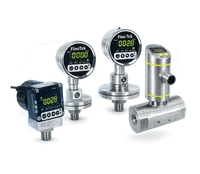
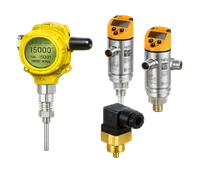
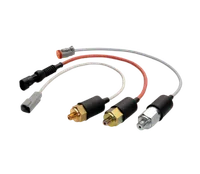
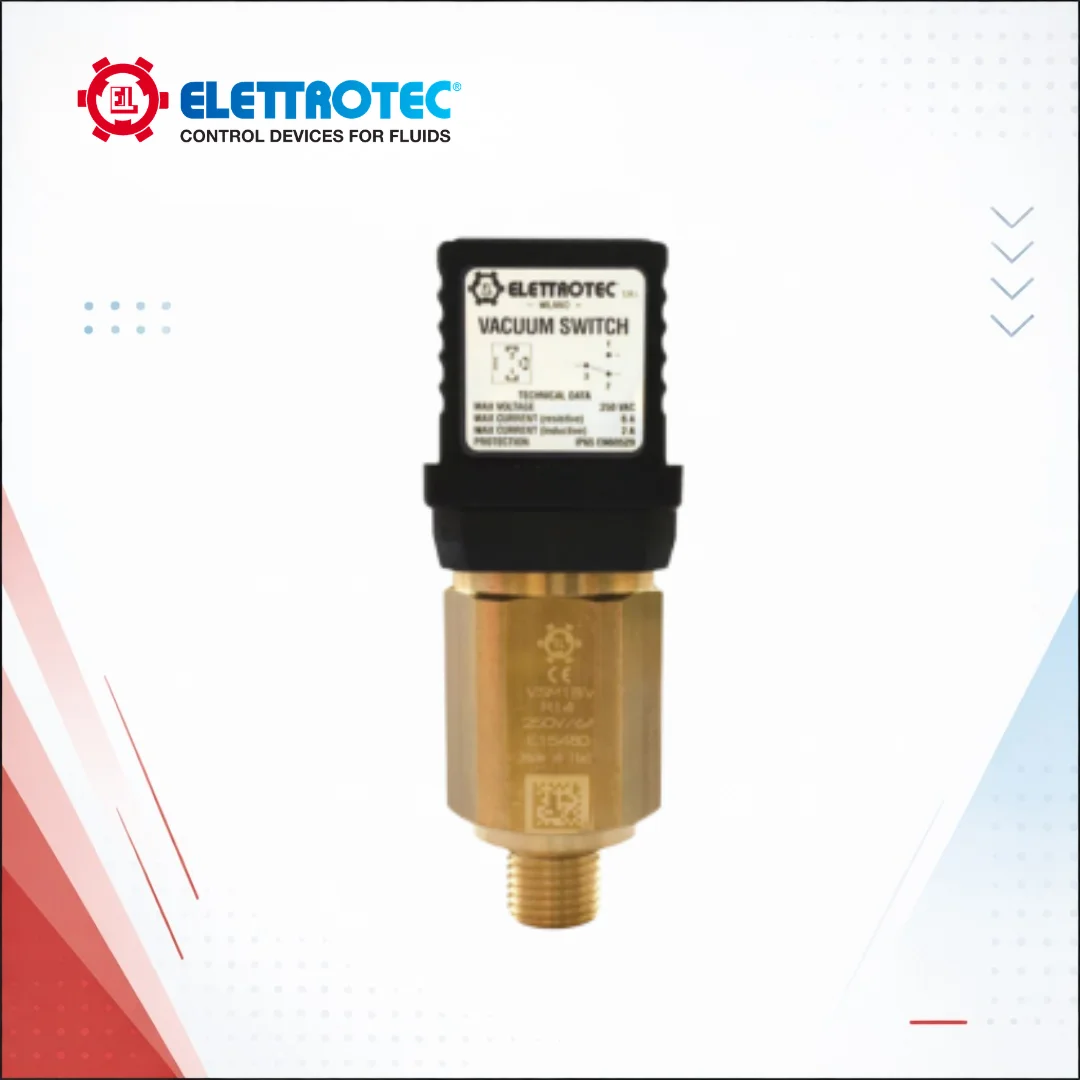
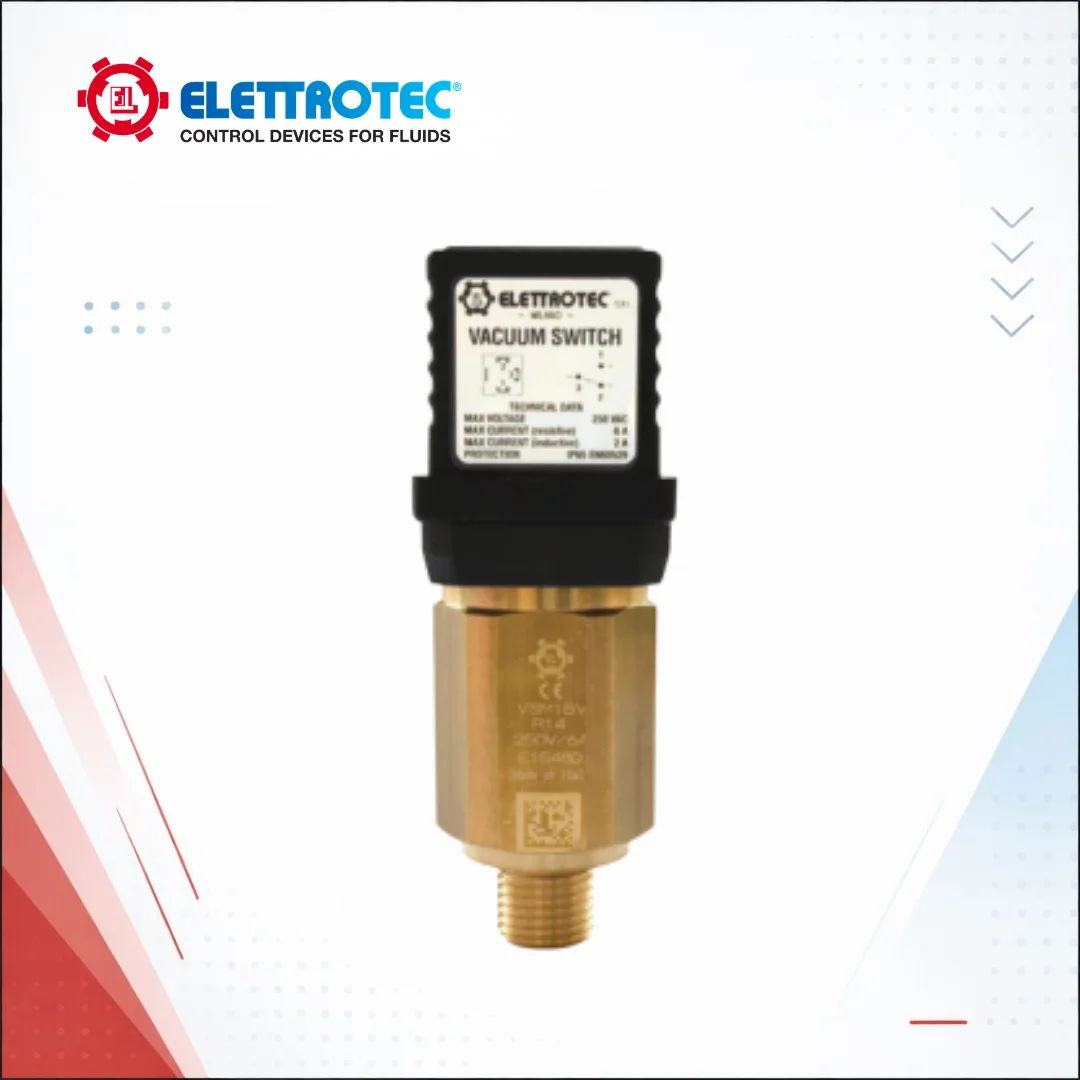
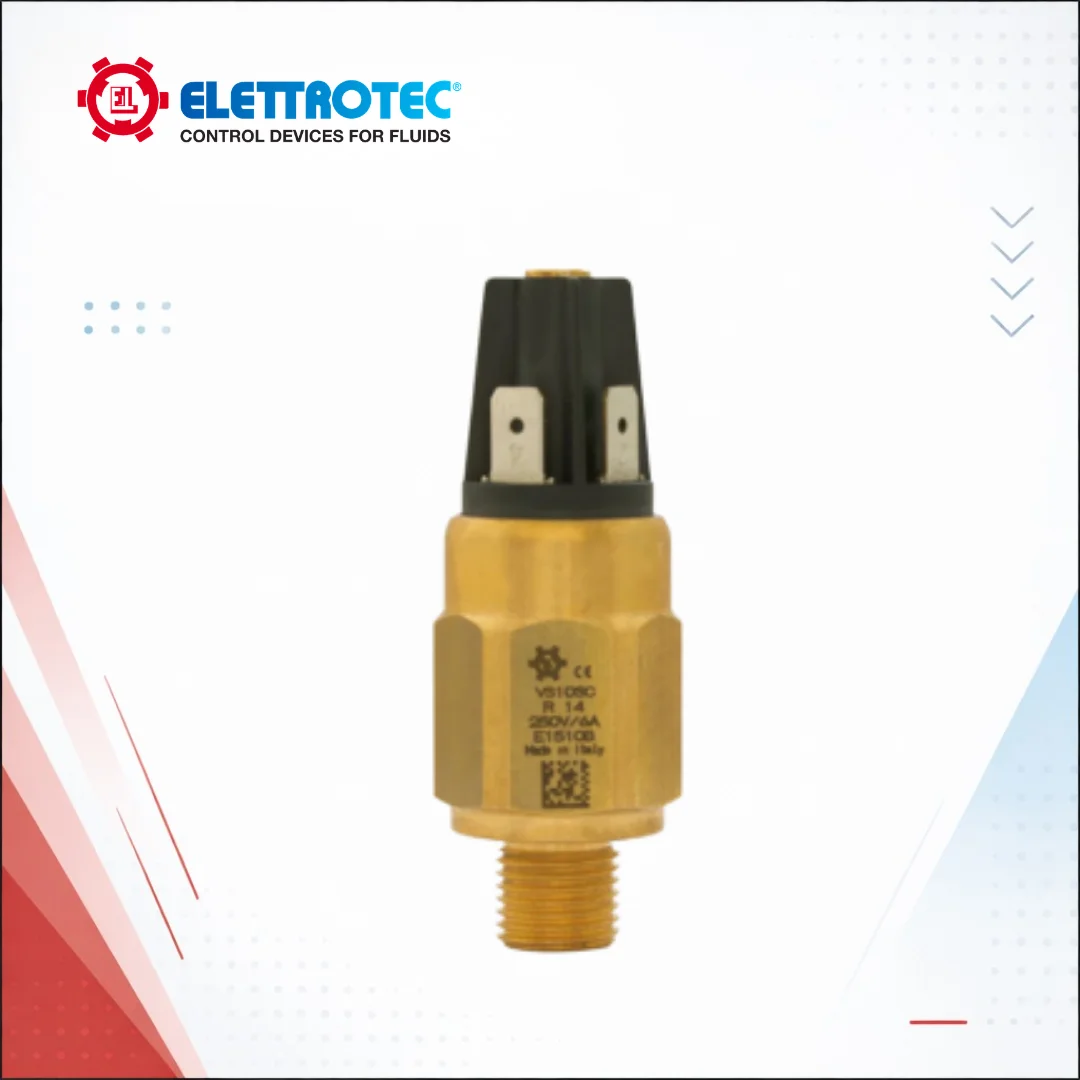
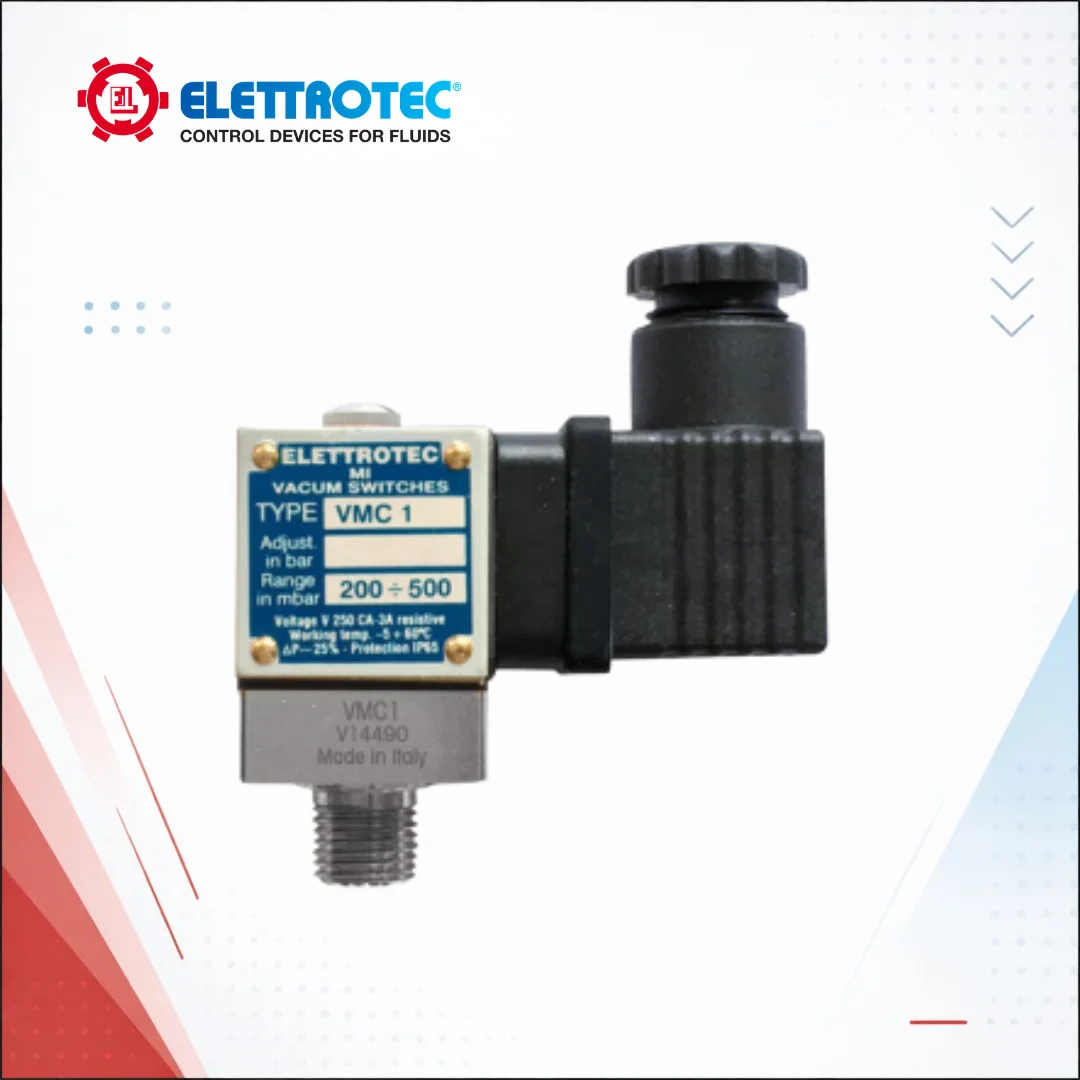
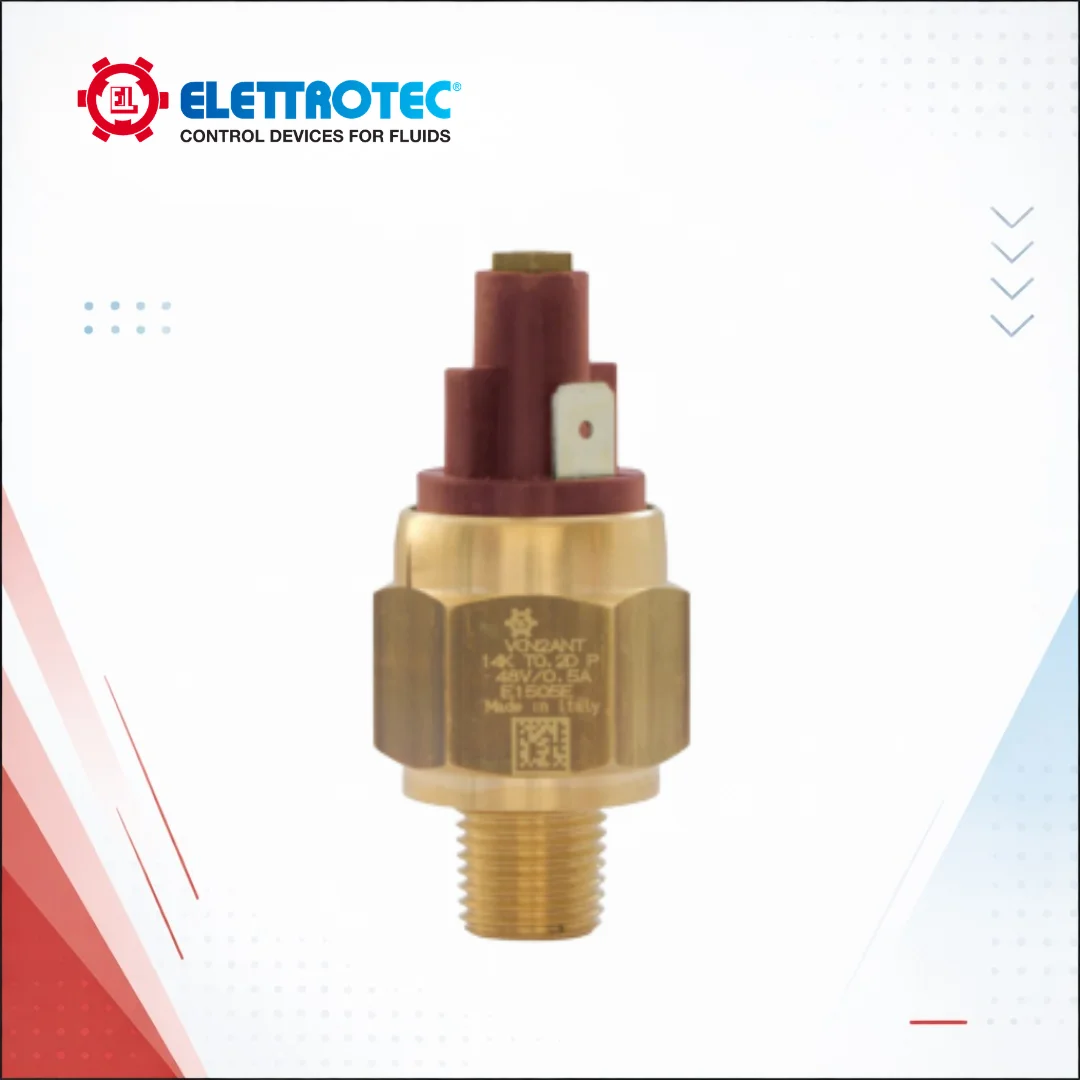
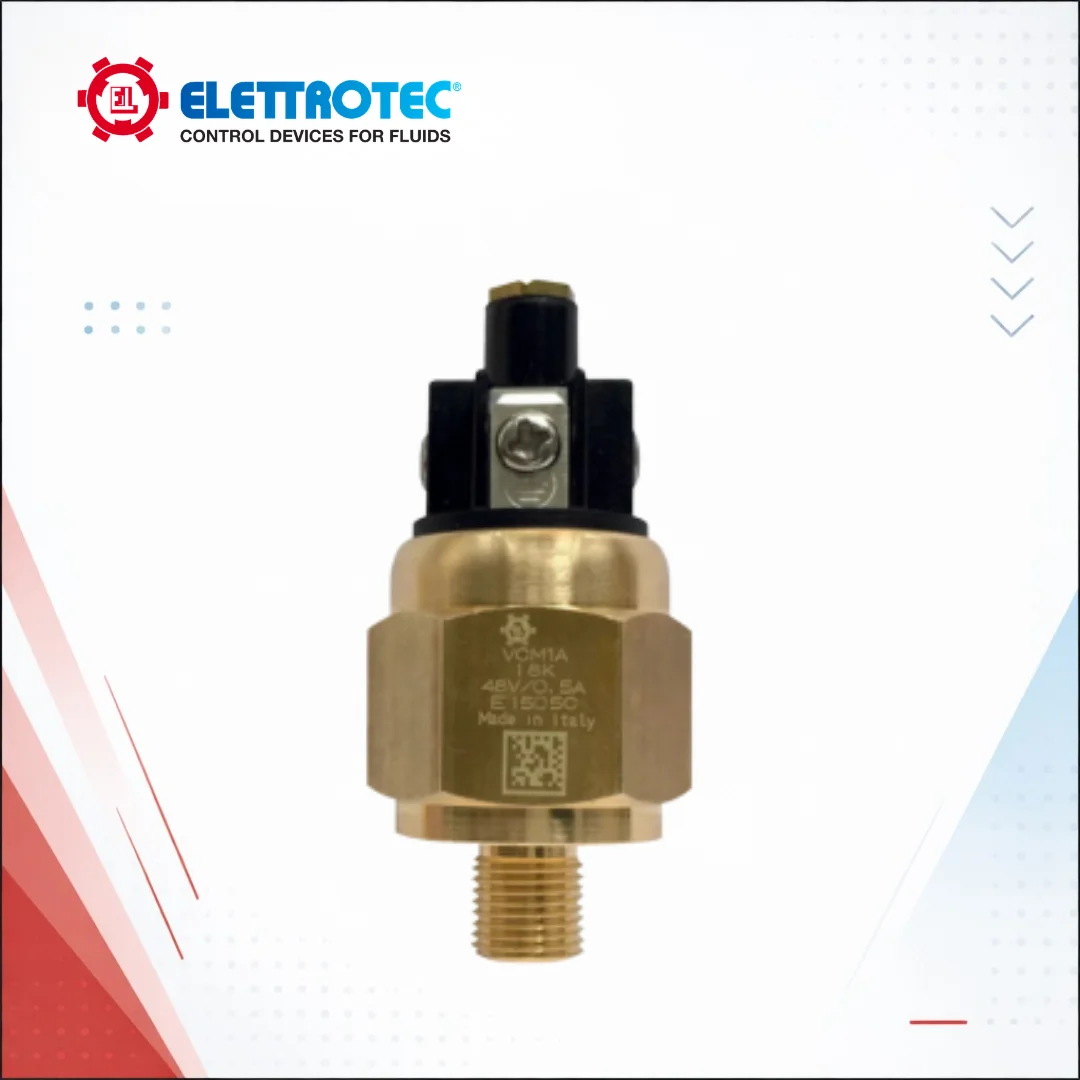
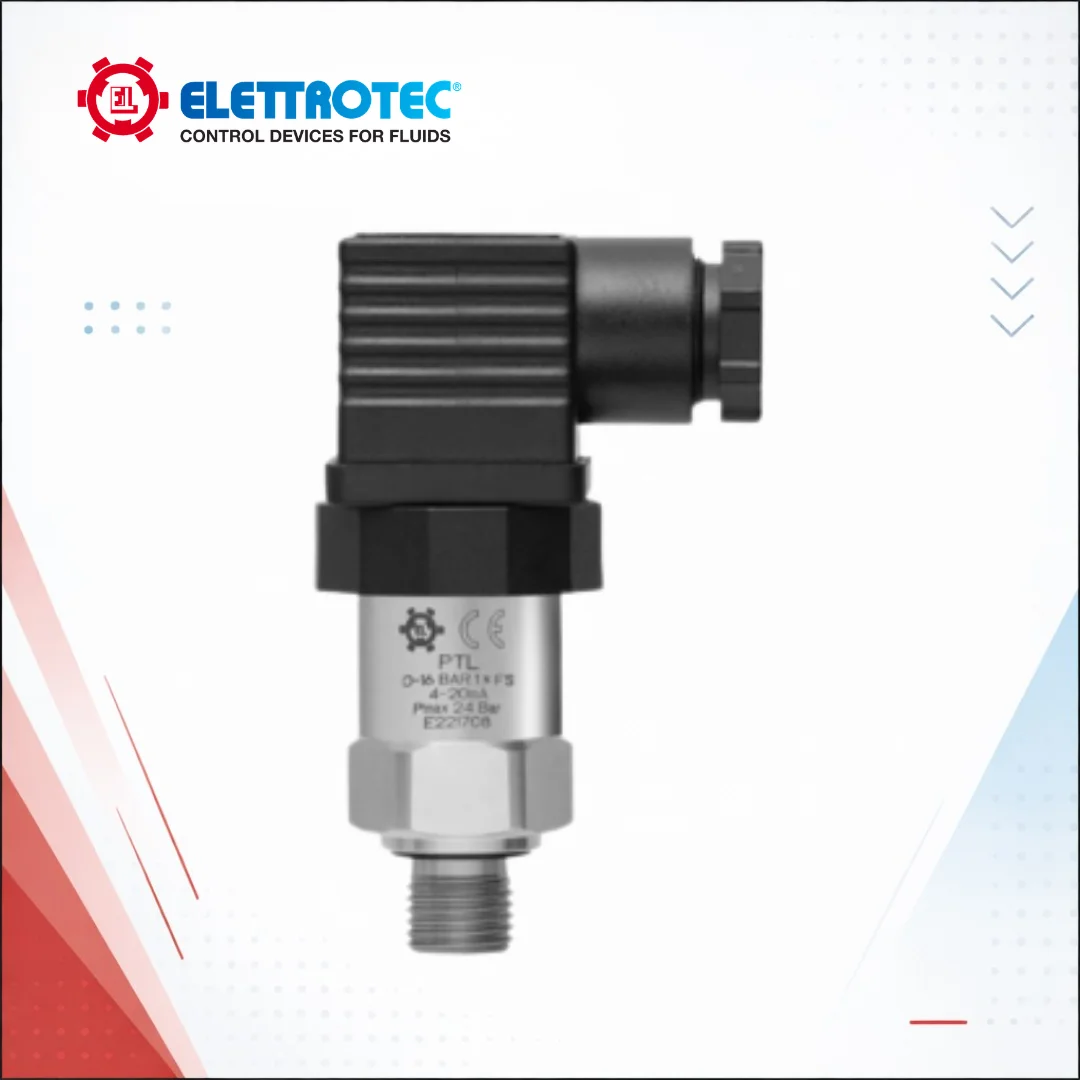
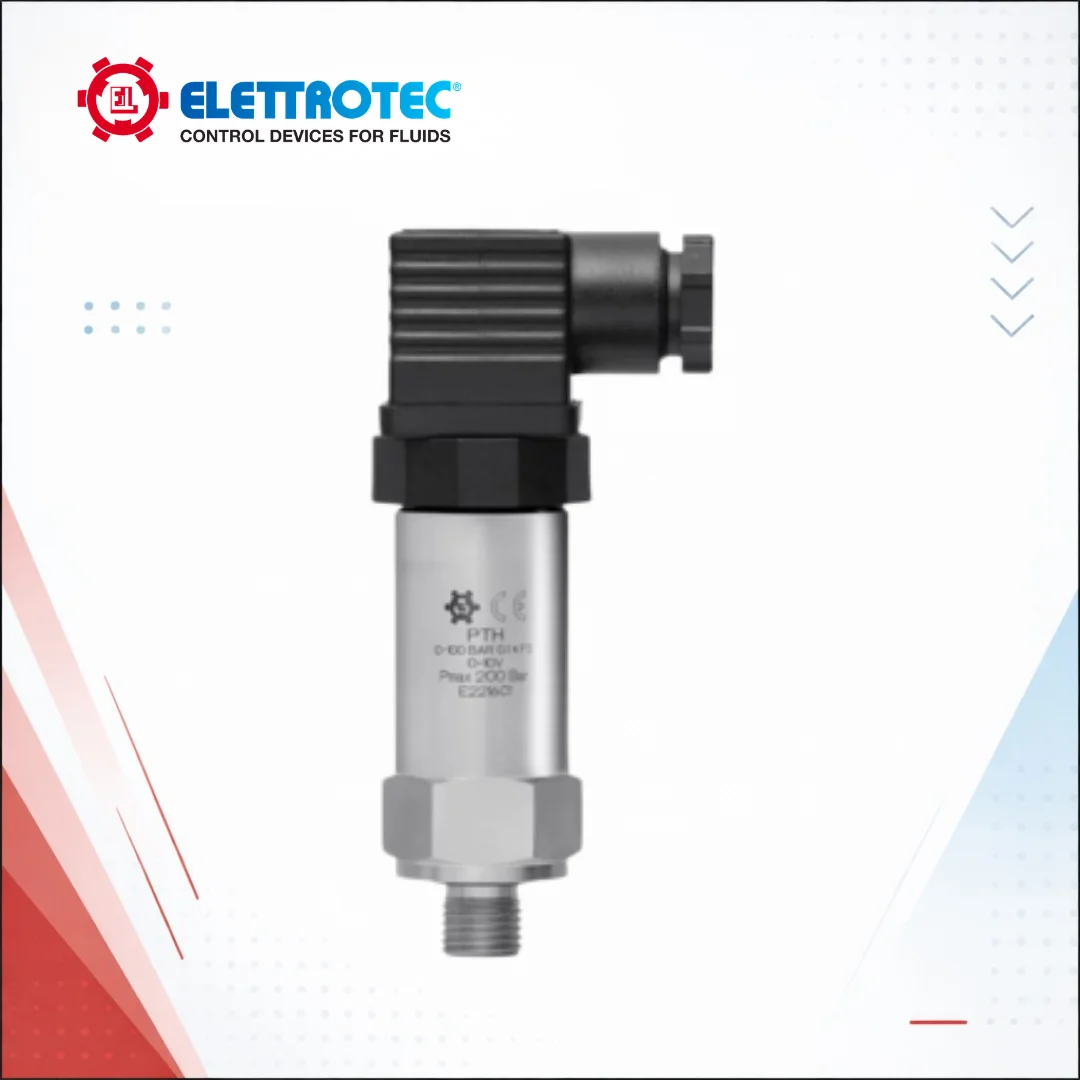
Customized pressure switches are advanced control devices designed to meet specific industrial requirements where standard solutions fall short. These switches provide precise pressure monitoring and control across various sectors, including manufacturing, automation, hydraulics, and fluid management systems. By tailoring design parameters such as pressure range, materials, and connection types, they ensure optimal system compatibility and long-term operational reliability.
Key Features
- Fully customizable pressure ranges and set points
- High repeatability and switching accuracy
- Durable construction for harsh environments
- Compatibility with multiple media types (air, oil, water)
- Flexible mounting and connection configurations
Design & Functionality
Customized pressure switches are engineered to integrate seamlessly into complex systems. Their modular design allows adaptation to different industrial processes, ensuring accurate pressure detection and response. Advanced sensing elements provide consistent performance, while robust housings protect against environmental factors such as vibration, temperature fluctuations, and corrosion.
Total Crossed Beams
The internal structure ensures precise signal activation when pressure thresholds are reached. This design enhances sensitivity and ensures consistent switching performance even under variable load conditions.
Beam Pitch Options
Adjustable internal calibration enables fine-tuning of pressure thresholds. This flexibility allows the device to operate efficiently across a wide range of industrial applications, from low-pressure systems to high-pressure environments.
Intrinsic Synchronism
Engineered synchronization ensures stable operation across repeated cycles. This results in improved reliability and reduced system downtime, making these switches ideal for continuous industrial use.
Operational Advantages
Customized pressure switches improve system safety, efficiency, and performance by delivering precise pressure control tailored to specific applications. Their adaptability reduces the need for multiple components, simplifies installation, and enhances operational longevity. With reliable switching performance and robust construction, they are essential for modern industrial automation and process control systems.