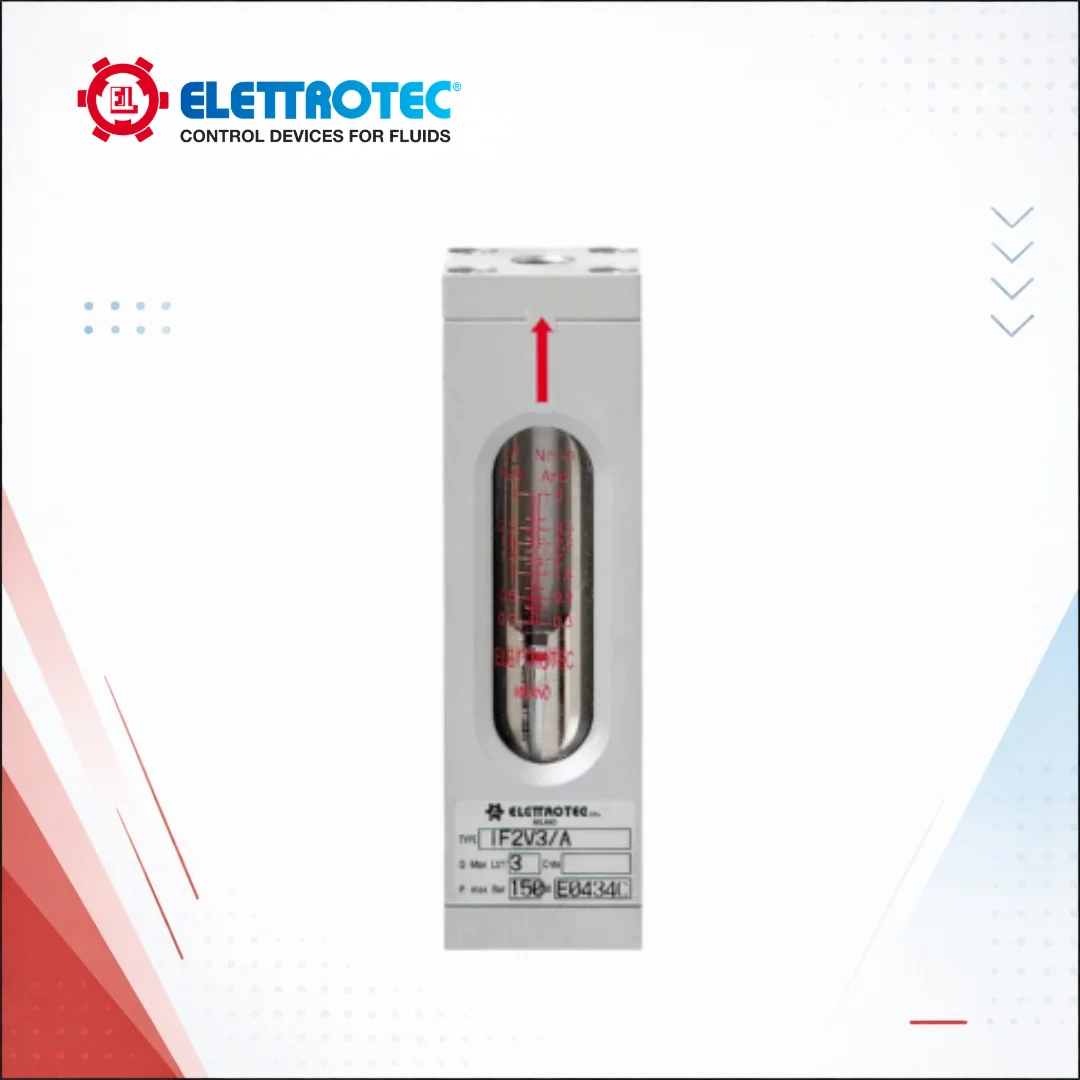
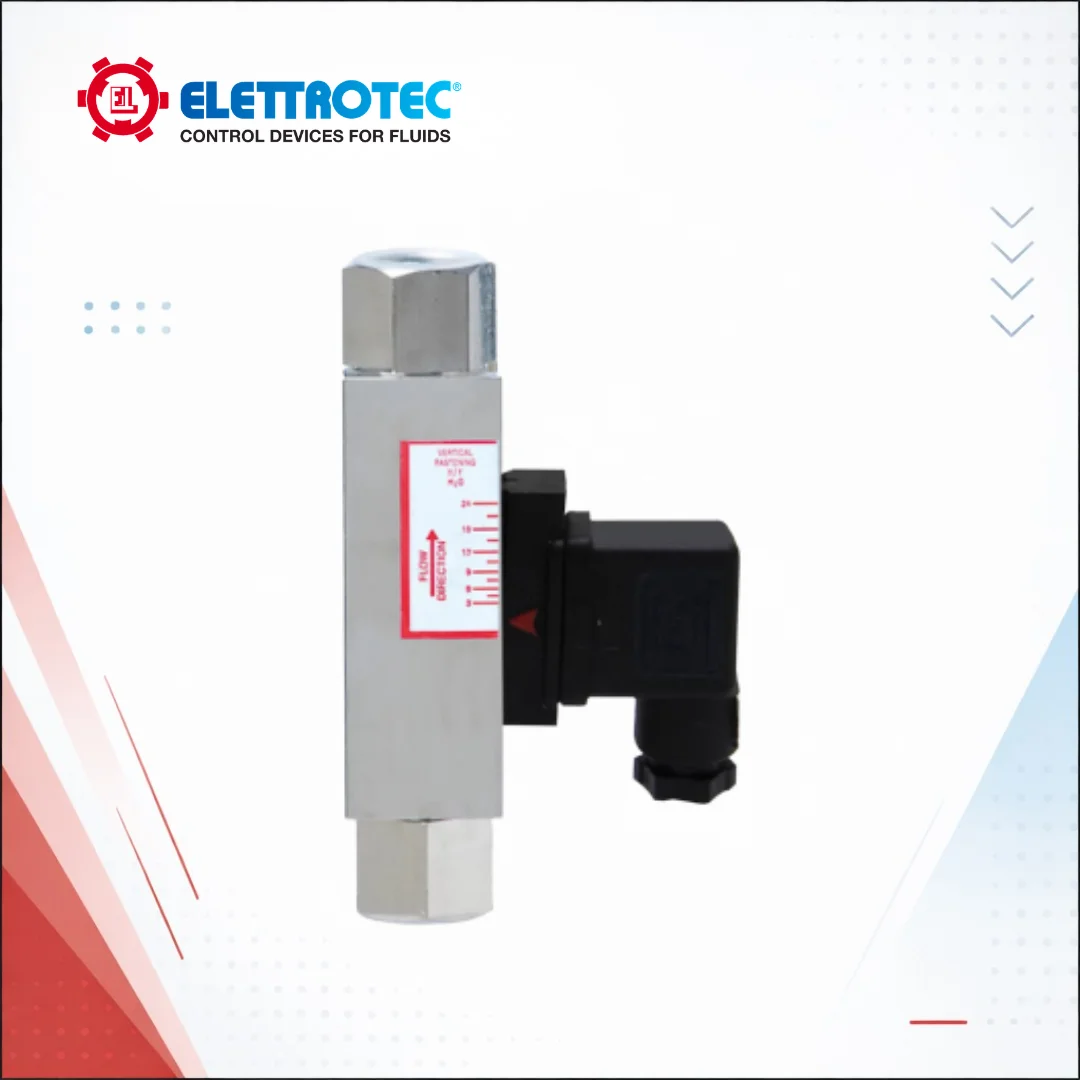
DYNAguard P is an advanced mass flow monitoring solution engineered for precise detection of solid material movement in industrial processing systems. Designed for pneumatic conveying lines, chutes, and hopper applications, it provides reliable flow monitoring across a wide measurement range—from grams per hour to tons per hour. This makes it an essential tool for industries requiring consistent material handling performance and real-time process control.
Key Features
- High-sensitivity electrostatic charge detection
- Suitable for powders, granules, and bulk solids
- Wide measurement range from low to high flow rates
- Non-intrusive monitoring with minimal maintenance
- Compatible with harsh industrial environments
- Stable performance unaffected by nearby mechanical components
Design & Functionality
The sensor operates by detecting electrical charges generated through friction between moving particles and surrounding surfaces. These charges naturally adhere to the solids, allowing accurate detection without direct contact. The sensing field extends a few centimeters around the probe, ensuring reliable monitoring while avoiding interference from nearby moving parts like flaps or valves.
Total Crossed Beams
The DYNAguard P does not rely on beam-based detection but instead uses a distributed sensing field. This ensures continuous monitoring of material flow across the entire detection zone, offering superior reliability compared to traditional point-based sensors.
Beam Pitch Options
Although not beam-dependent, the device effectively covers varying flow densities and material distributions. Its adaptable sensing range ensures accurate readings regardless of flow profile or particle concentration.
Intrinsic Synchronism
The sensor maintains consistent signal stability through intrinsic synchronization of electrostatic detection. This ensures precise monitoring even under fluctuating flow conditions, making it ideal for dynamic industrial processes.
Operational Advantages
DYNAguard P enhances operational efficiency by providing real-time insights into material flow behavior. It supports process optimization, reduces downtime, and prevents blockages or material loss. Its ability to detect both fine particles and larger solid objects makes it versatile for multiple industrial applications. However, it is not suitable for materials that form conductive layers on the sensor surface, ensuring optimal performance only in appropriate conditions.