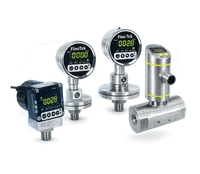
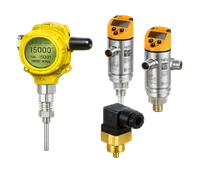
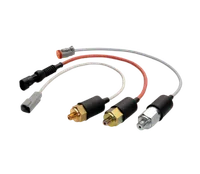
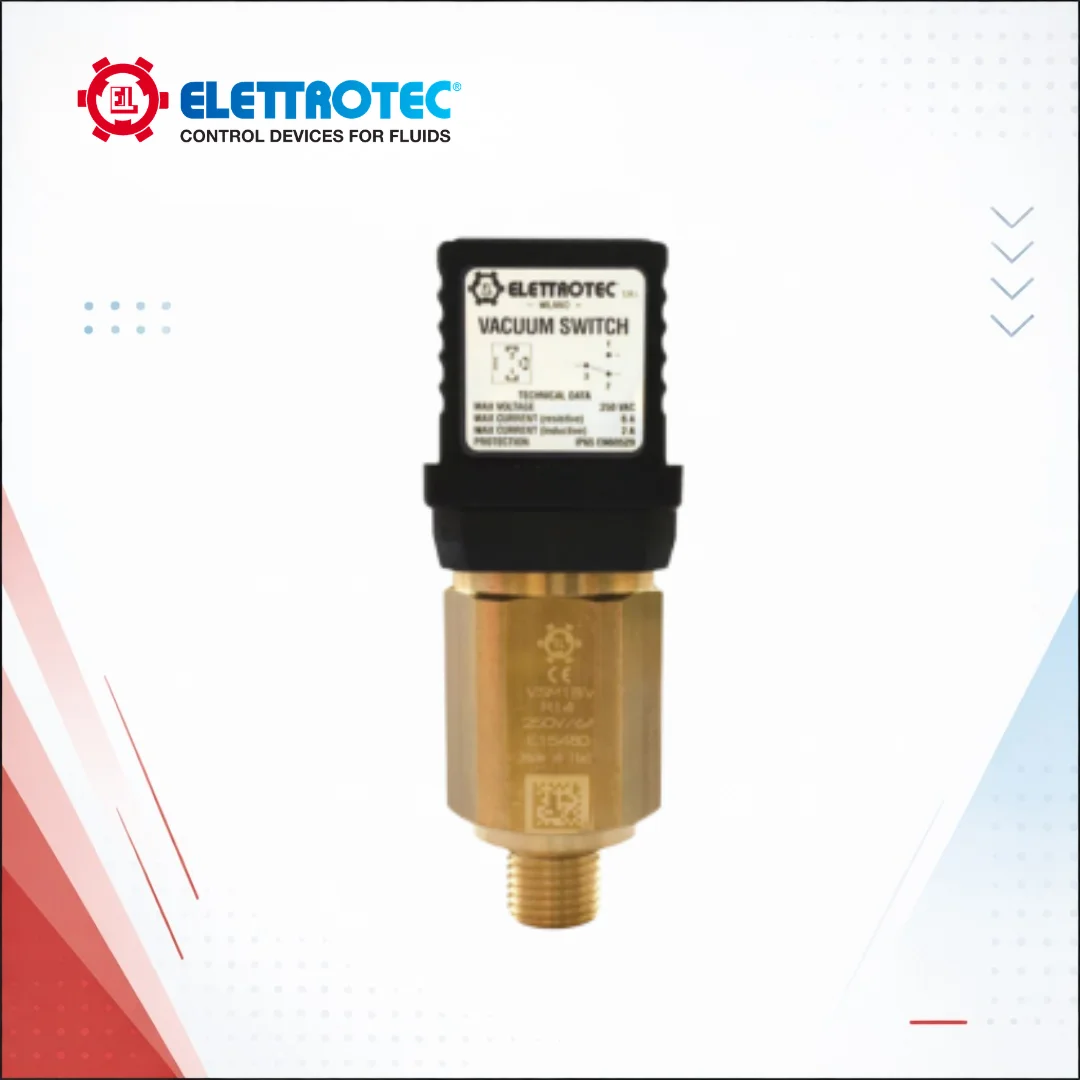
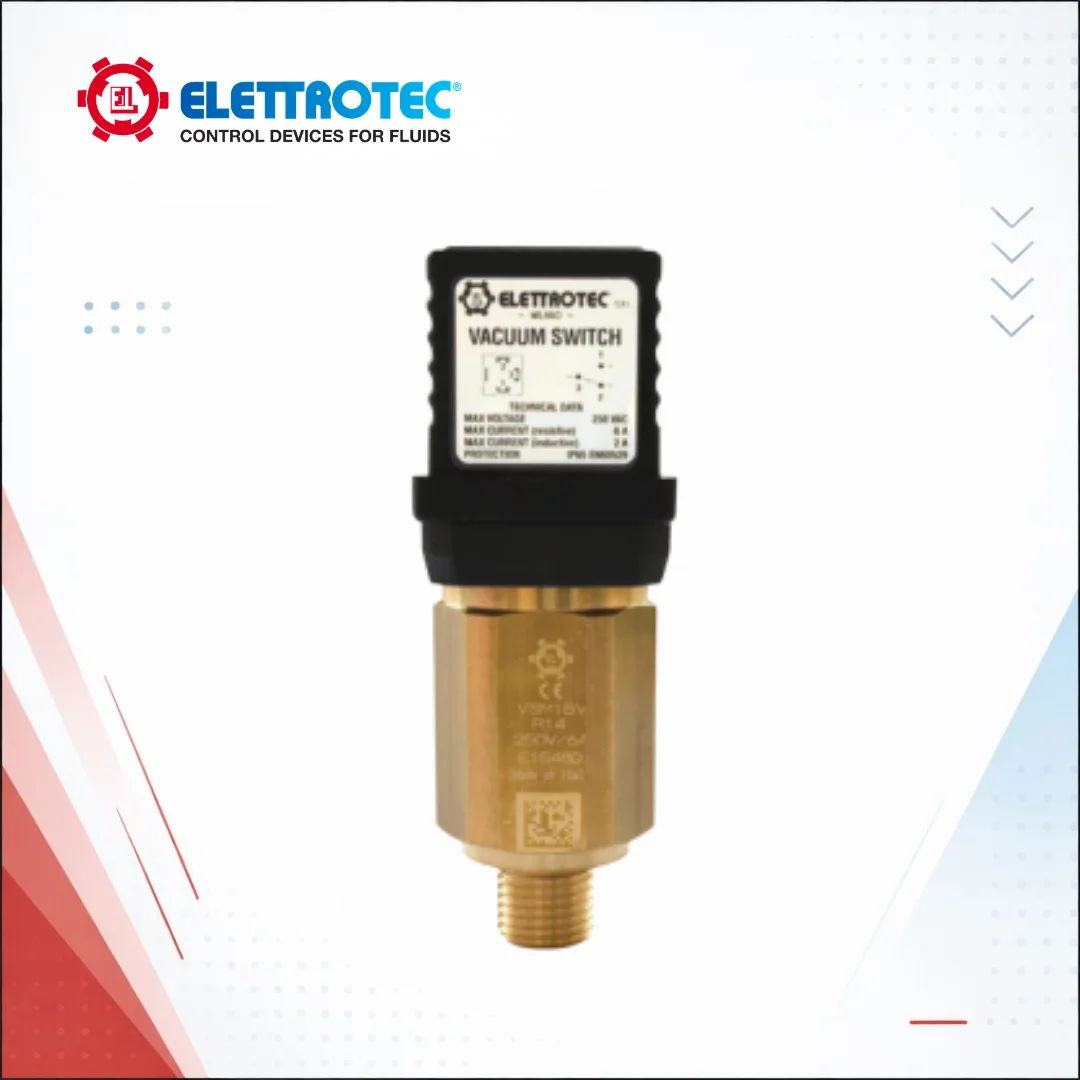
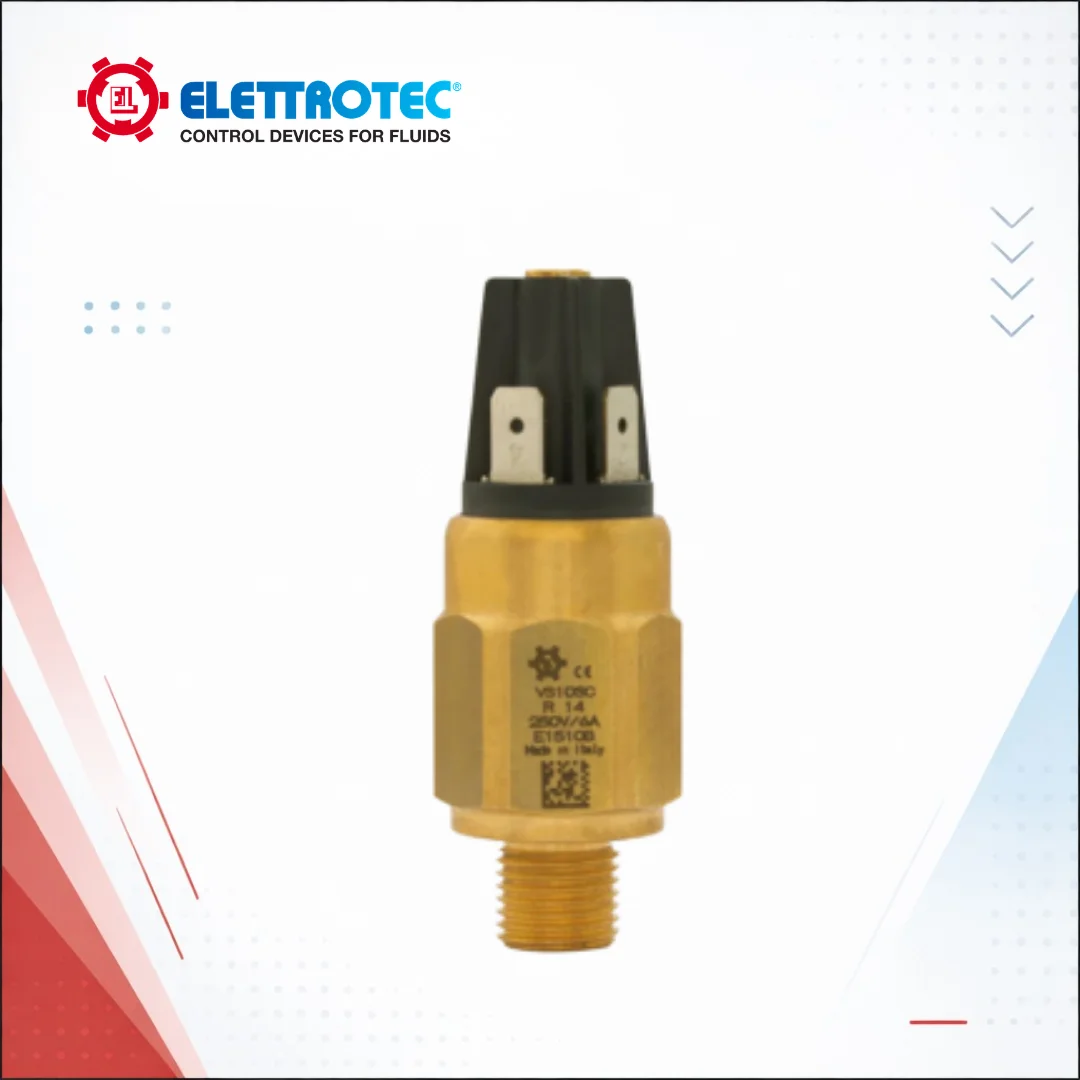
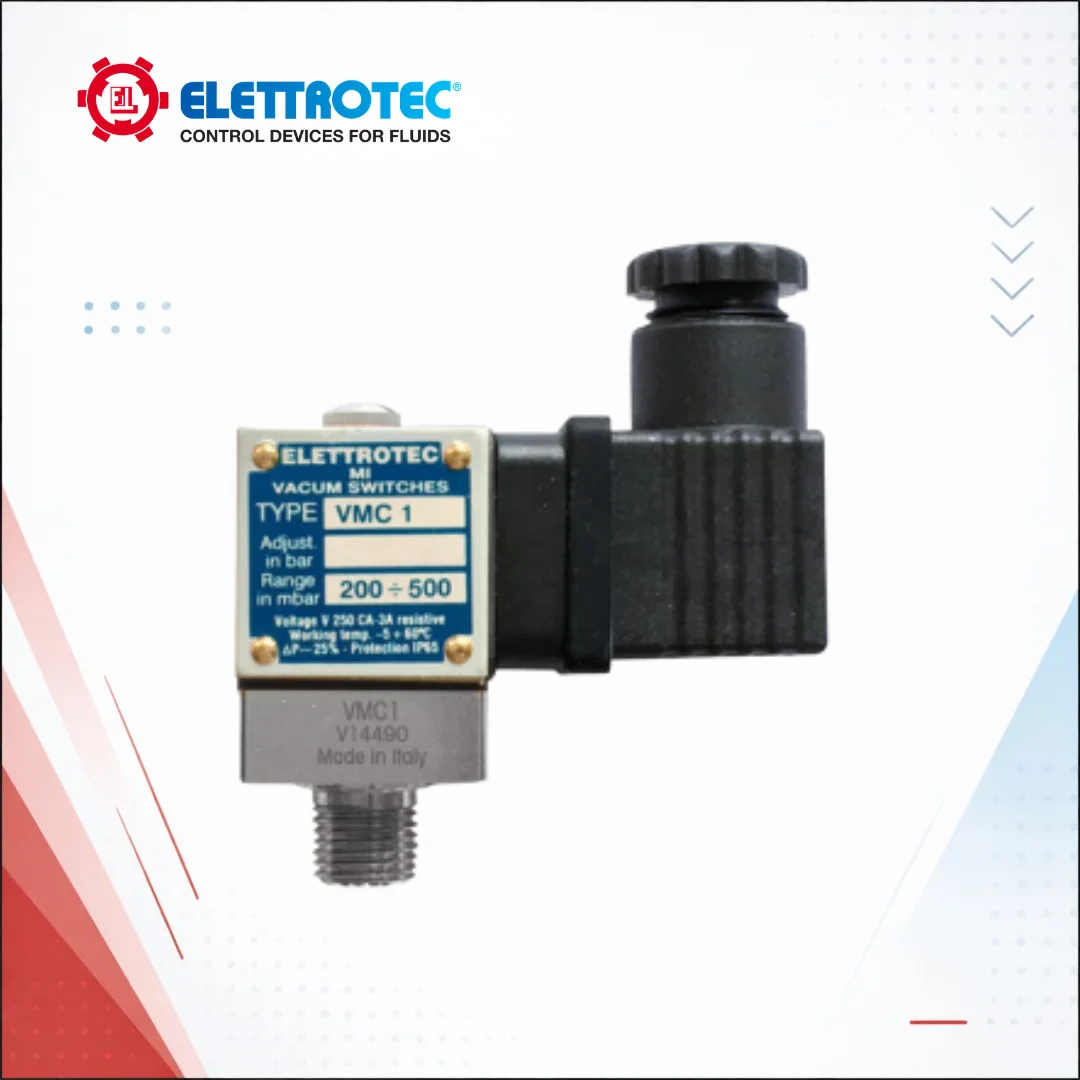
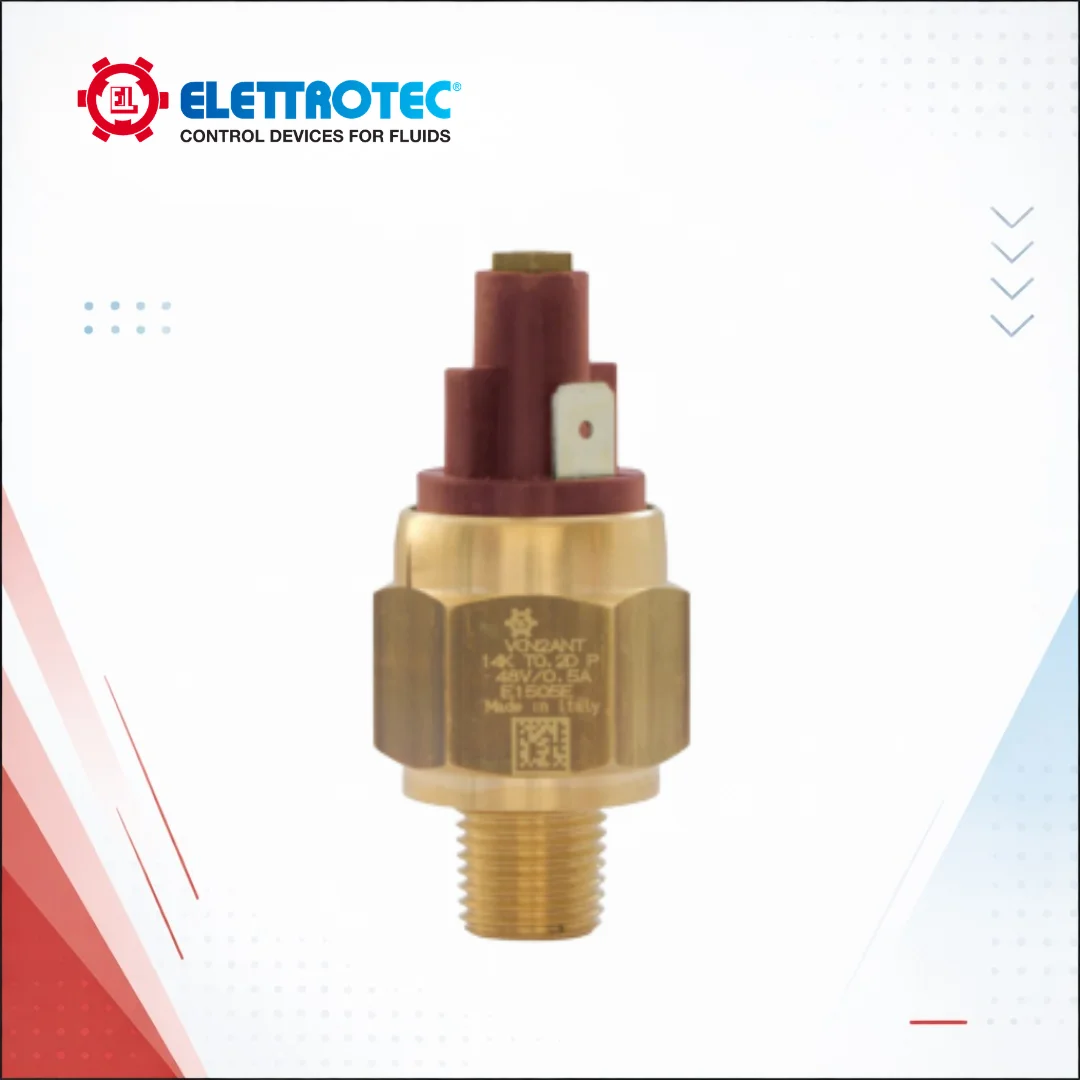
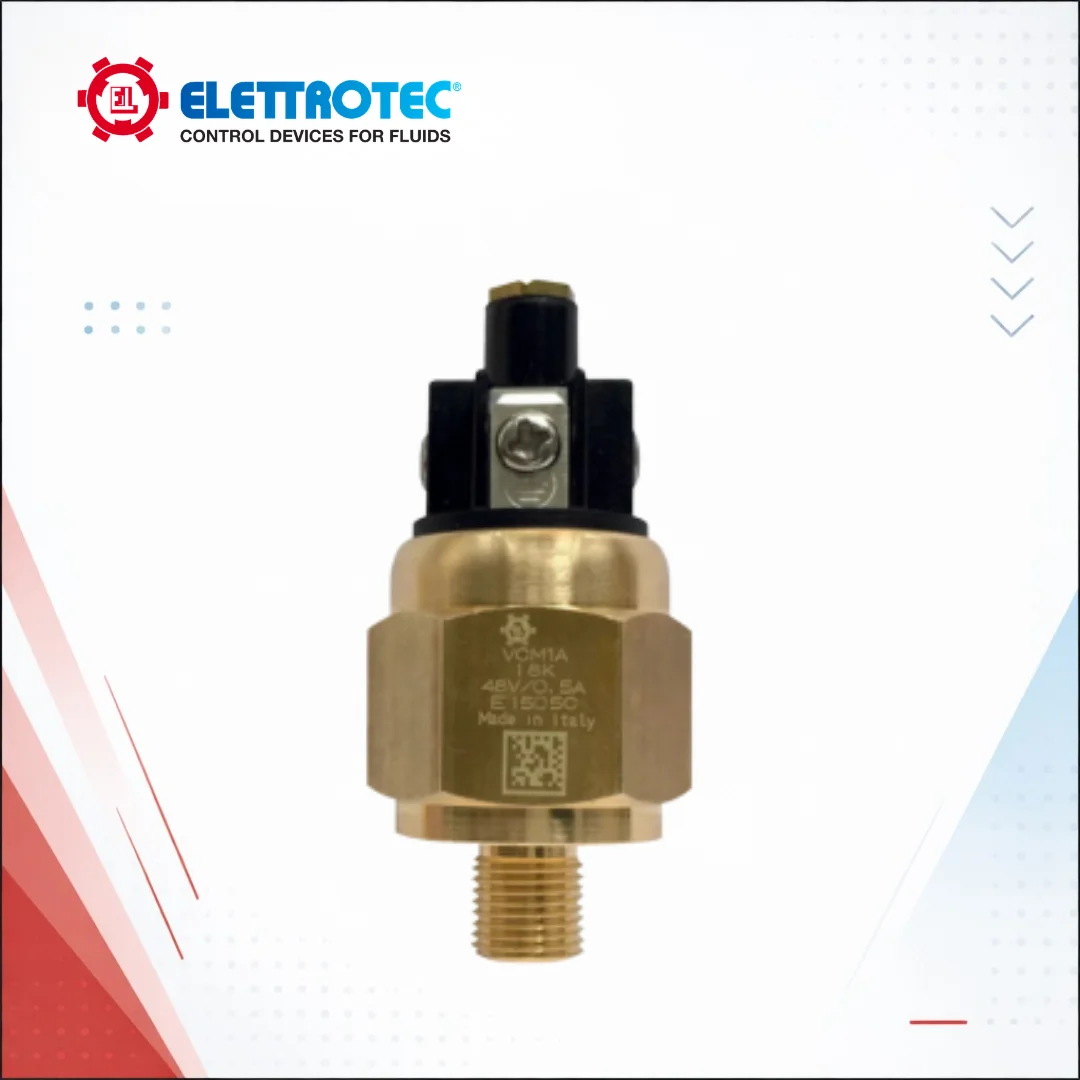
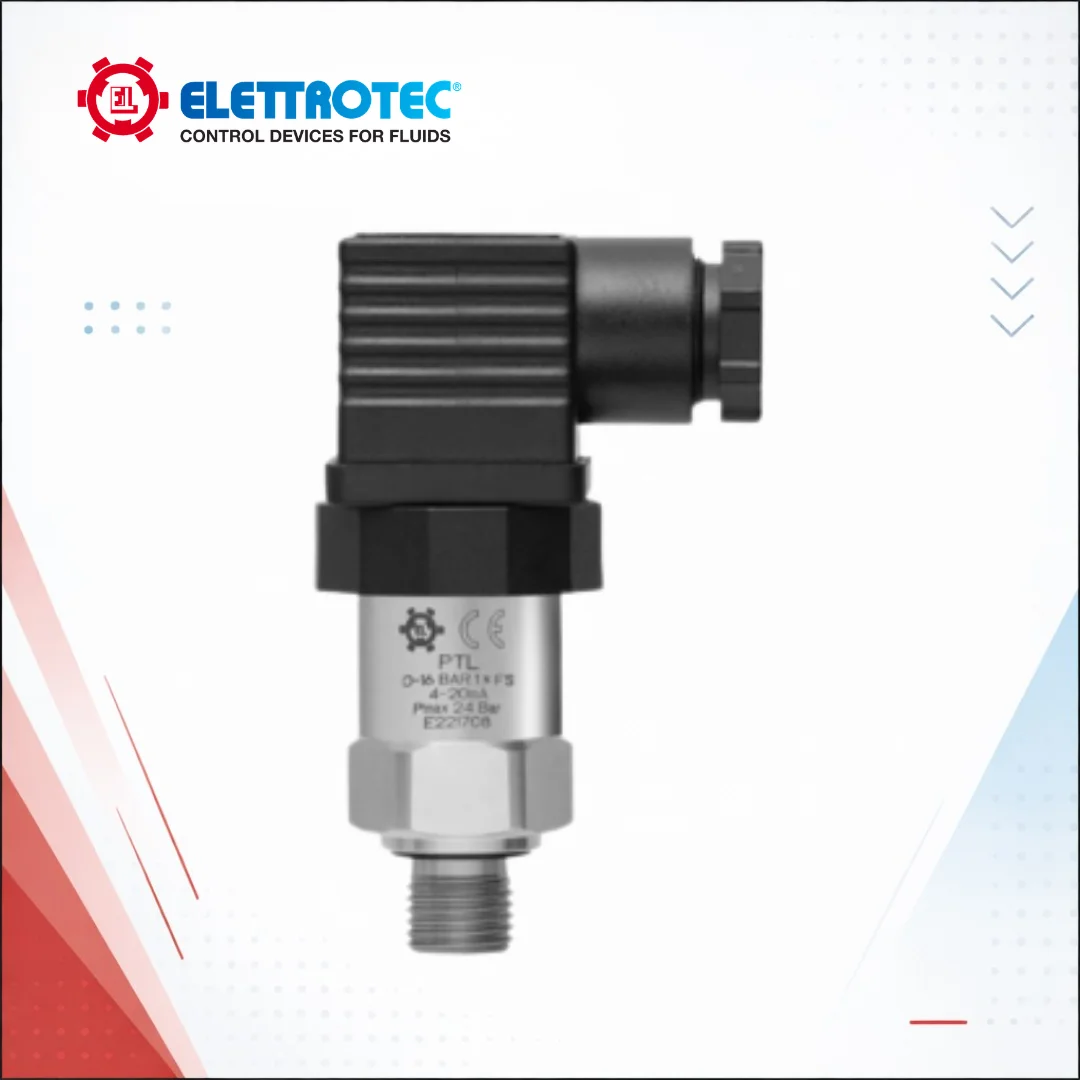
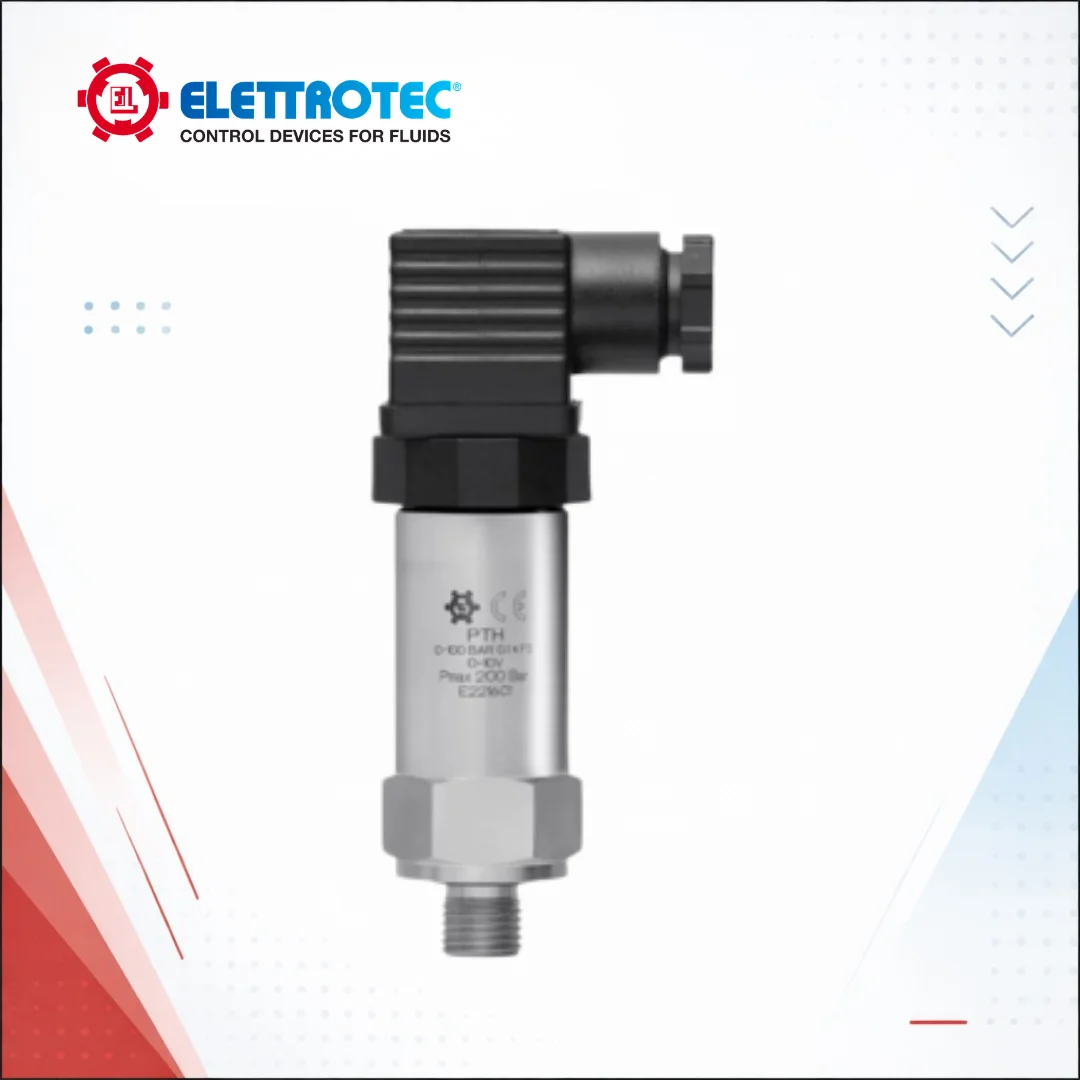
The EPX02 electronic pressure switch is engineered to provide advanced pressure monitoring and control for industrial automation systems. Designed for precision-driven environments, this digital pressure controller ensures consistent performance, improved system efficiency, and reduced operational risks. It is widely used in manufacturing plants, pneumatic systems, hydraulic circuits, and fluid control applications where accurate pressure regulation is essential.
Key Features
- High-precision digital pressure monitoring
- Reliable switching output for automation systems
- Compact and durable industrial design
- Easy configuration with user-friendly interface
- Stable performance in demanding environments
Design & Functionality
The EPX02 features a modern electronic design that integrates sensing, monitoring, and switching functions into a single compact unit. Its digital interface allows operators to easily configure pressure thresholds and monitor real-time system performance. Built for industrial durability, the controller withstands harsh operating conditions while maintaining consistent accuracy.
Total Crossed Beams
The system architecture is optimized for precise signal processing and stable switching response. This ensures accurate pressure detection and minimizes fluctuations, supporting consistent operation across various industrial processes.
Beam Pitch Options
Flexible configuration options allow users to adjust pressure thresholds according to system requirements. This adaptability makes the EPX02 suitable for diverse applications, including compressed air systems, water treatment, and hydraulic machinery.
Intrinsic Synchronism
The controller maintains synchronized operation between sensing and switching functions, ensuring real-time responsiveness. This intrinsic synchronization enhances system safety and prevents pressure-related failures.
Operational Advantages
By integrating digital pressure monitoring with intelligent switching, the EPX02 improves operational efficiency and reduces maintenance requirements. It supports predictive maintenance strategies, minimizes downtime, and enhances overall system reliability—making it a valuable solution for modern industrial automation.