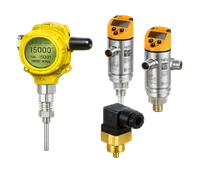
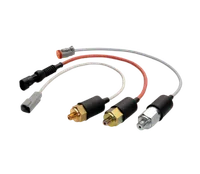
The EST120 temperature and level monitoring transmitter is an advanced monitoring solution designed for grain silos, bulk storage facilities, and agricultural processing environments. Efficient grain storage management requires continuous monitoring of internal silo conditions, especially temperature fluctuations and material levels that may indicate spoilage or structural risk. The EST120 system integrates both temperature sensing and level measurement in a single cable-based monitoring device, providing reliable real-time insights for storage operators.
By combining multi-point temperature sensing with continuous grain level measurement, the EST120 transmitter helps maintain grain quality, prevent storage losses, and support long-term preservation. This integrated monitoring technology simplifies installation compared with traditional systems that require separate sensors for temperature and level measurement.
Key Features
- Simultaneous grain temperature and level monitoring in one system
- Multi-point temperature sensing along the cable
- Real-time silo condition monitoring
- Digital temperature sensor technology for reliable accuracy
- RS485 communication interface for remote monitoring
- Durable steel cable design for harsh silo environments
- Customizable sensor quantity and placement
- Reduced installation complexity and cost
Design & Functionality
The EST120 monitoring transmitter is engineered to operate reliably in demanding bulk material storage environments. Its reinforced cable design resists mechanical stress from grain loading, ensuring long service life even in high-capacity silos.
The transmitter uses digital temperature sensors distributed along the sensing cable to measure temperature variations throughout the stored grain mass. These readings allow operators to detect hotspots, moisture activity, or early signs of mold and insect infestation before they impact grain quality.
The system communicates using an open RS485 interface, allowing easy integration with monitoring software or centralized control systems. Operators can remotely monitor grain temperature and storage conditions from control rooms or management software platforms.
Total Crossed Beams
The EST120 system allows multiple temperature sensing points along the cable, enabling comprehensive monitoring coverage throughout the silo. With sensors positioned at regular intervals, operators gain accurate visibility into temperature variations at different depths of the grain mass.
This multi-point measurement capability ensures early detection of localized heating zones, which can signal potential spoilage or microbial activity.
Beam Pitch Options
Temperature sensing nodes can be configured based on silo size and storage requirements. Sensors are typically installed at fixed intervals along the cable, allowing operators to optimize monitoring resolution depending on the grain storage structure.
This flexible configuration enables tailored monitoring solutions for small silos, large grain bins, and industrial bulk storage systems.
Intrinsic Synchronism
The monitoring transmitter collects both temperature and grain level information simultaneously through a single sensing cable. This synchronized monitoring provides a clear understanding of storage conditions and allows operators to correlate level changes with temperature behavior inside the silo.
By integrating both measurements, the system eliminates the need for separate sensors and simplifies overall monitoring infrastructure.
Operational Advantages
Using the EST120 monitoring system significantly improves grain storage management and operational efficiency. Real-time temperature monitoring helps prevent spoilage, mold development, and insect infestation, protecting valuable agricultural products.
Continuous level measurement also allows operators to track material inventory and prevent silo overfilling or unexpected depletion.
For agriculture, feed processing, and grain distribution industries, this integrated monitoring technology ensures safer storage conditions, improved product quality, and reduced operational risk.