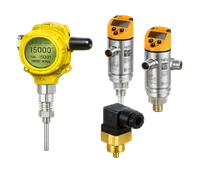
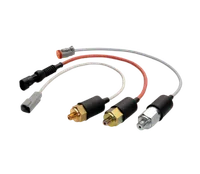
The HPT604-FW Water In Fuel Sensor is a precision-engineered solution designed to detect water contamination in fuel systems with high accuracy and reliability. Water presence in diesel or fuel systems can lead to corrosion, reduced engine efficiency, and costly downtime. This sensor is widely used across oil & gas operations, marine vessels, automotive systems, and industrial process control environments to ensure fuel quality and system protection.
Key Features
- Accurate water detection with resistance-based sensing
- Multiple output options including analog and digital signals
- Wide level measurement range up to 20 meters
- Robust IP68 waterproof design for harsh environments
- Intrinsically safe certified for hazardous areas
- Flexible integration with industrial monitoring systems
Design & Functionality
The HPT604-FW sensor uses advanced resistance-based detection to identify water presence in fuel. When water is detected, the resistance value changes, enabling precise monitoring and alarm triggering. Its multi-signal output capability allows seamless integration into PLC systems, SCADA platforms, and engine control units, making it ideal for modern industrial automation.
Total Crossed Beams
Engineered for stability and consistency, the sensor maintains accurate detection performance across varying fuel conditions. Its internal sensing structure ensures reliable operation even in dynamic fluid environments.
Beam Pitch Options
Flexible sensing configurations enable adaptability across different tank sizes and fuel storage systems. This allows users to customize the sensor based on application-specific requirements in industries such as chemical processing, wastewater treatment, and marine fuel systems.
Intrinsic Synchronism
The sensor maintains synchronized detection performance across its entire operating range, ensuring consistent readings regardless of environmental changes such as temperature fluctuations or fuel composition variations.
Operational Advantages
The HPT604-FW enhances operational efficiency by preventing water-related damage in engines and fuel systems. It reduces maintenance costs, improves safety, and ensures compliance with industrial standards. Its rugged construction and wide temperature tolerance make it suitable for extreme environments, including offshore platforms, heavy vehicles, and industrial plants.