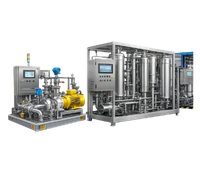
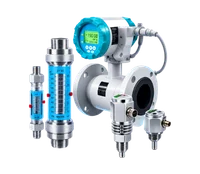
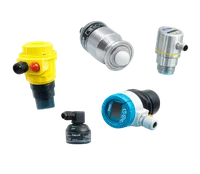
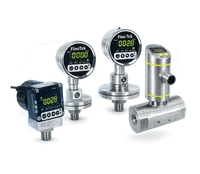
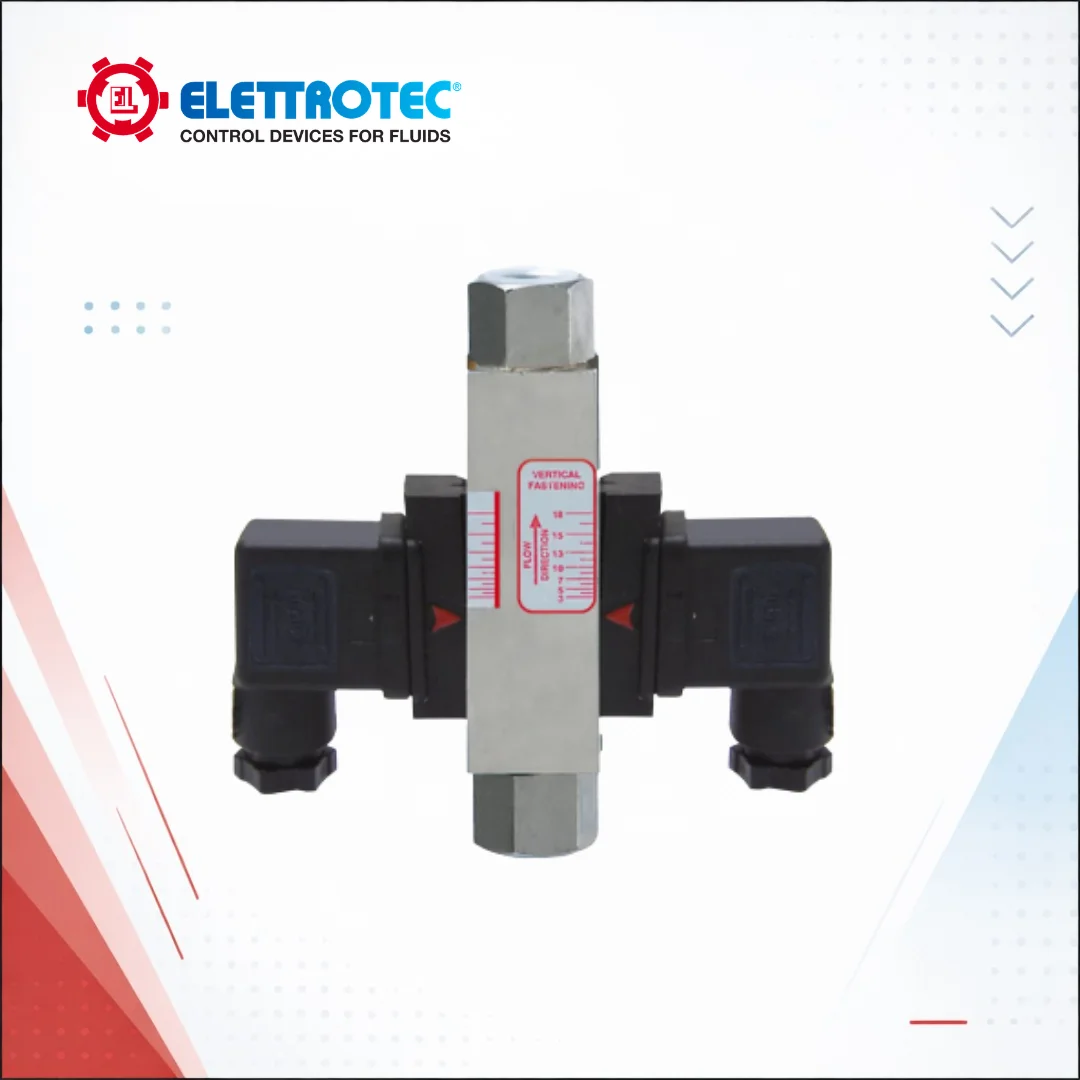
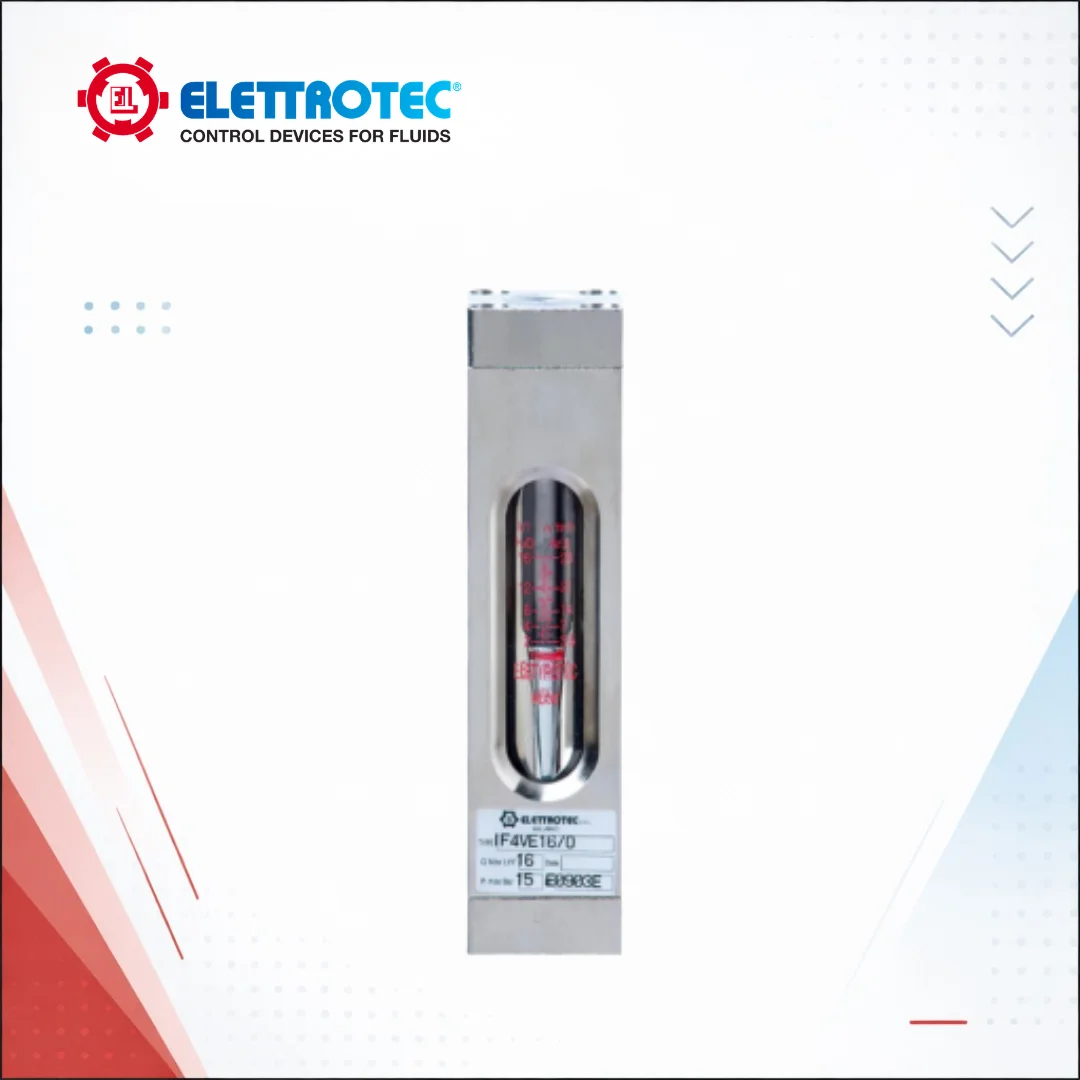
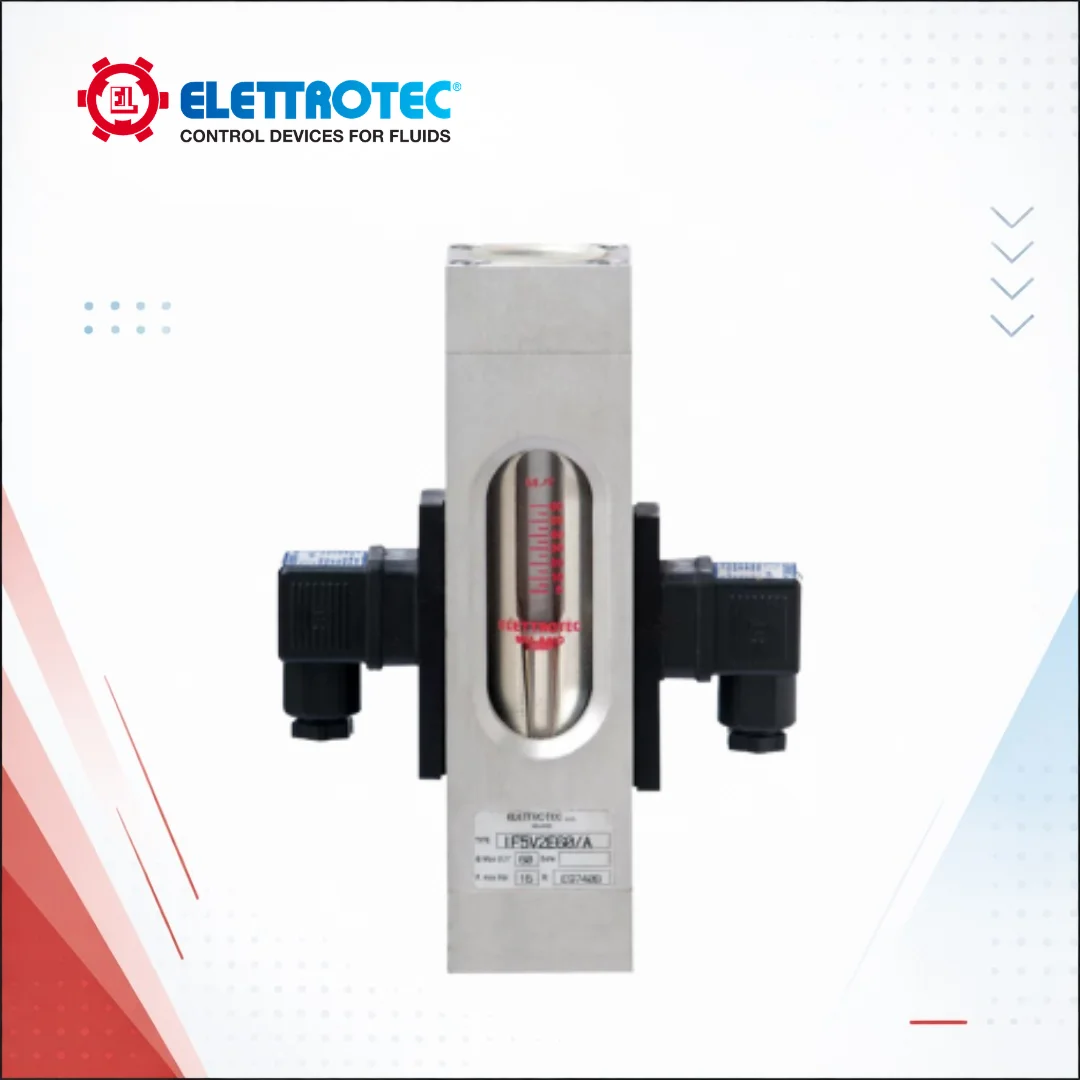
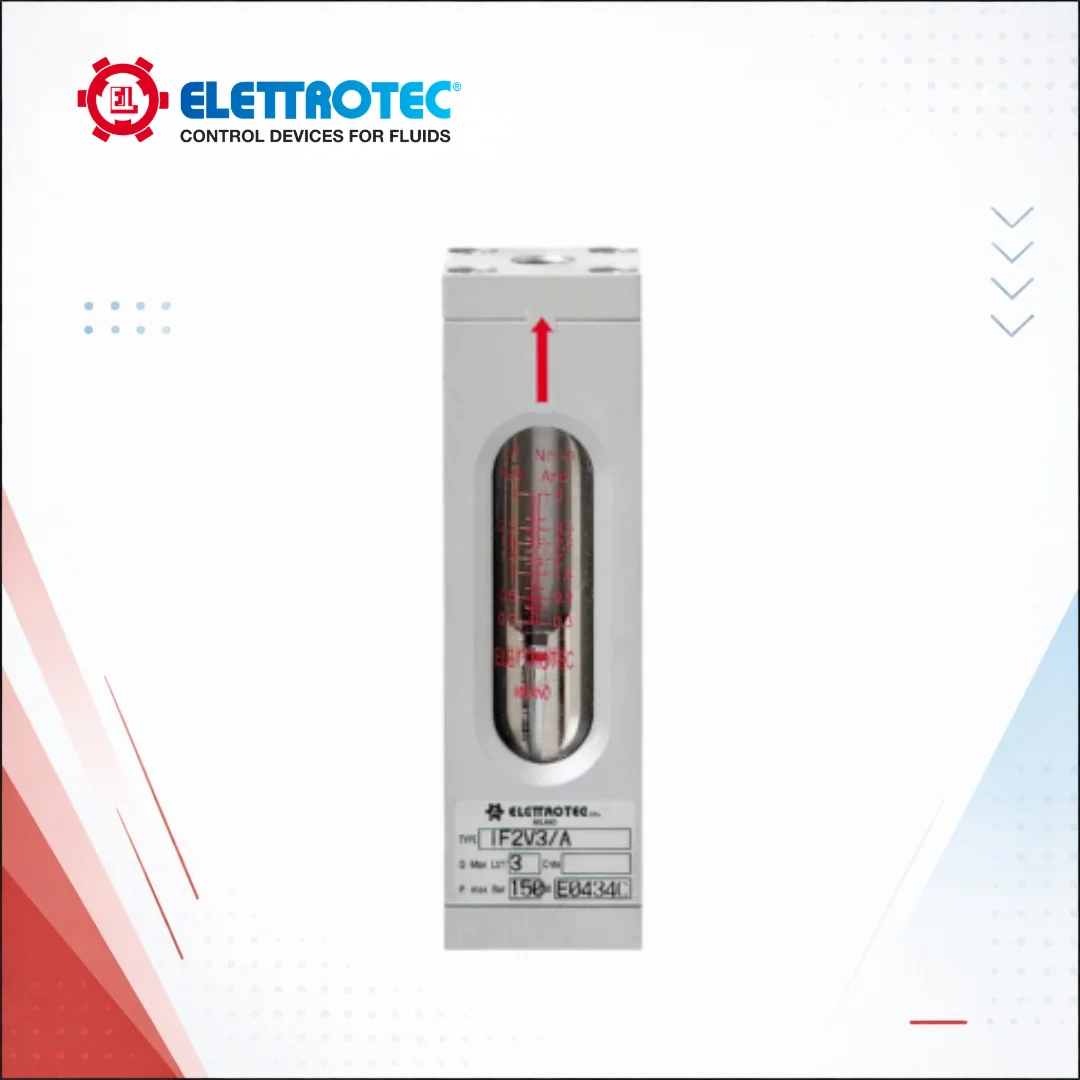
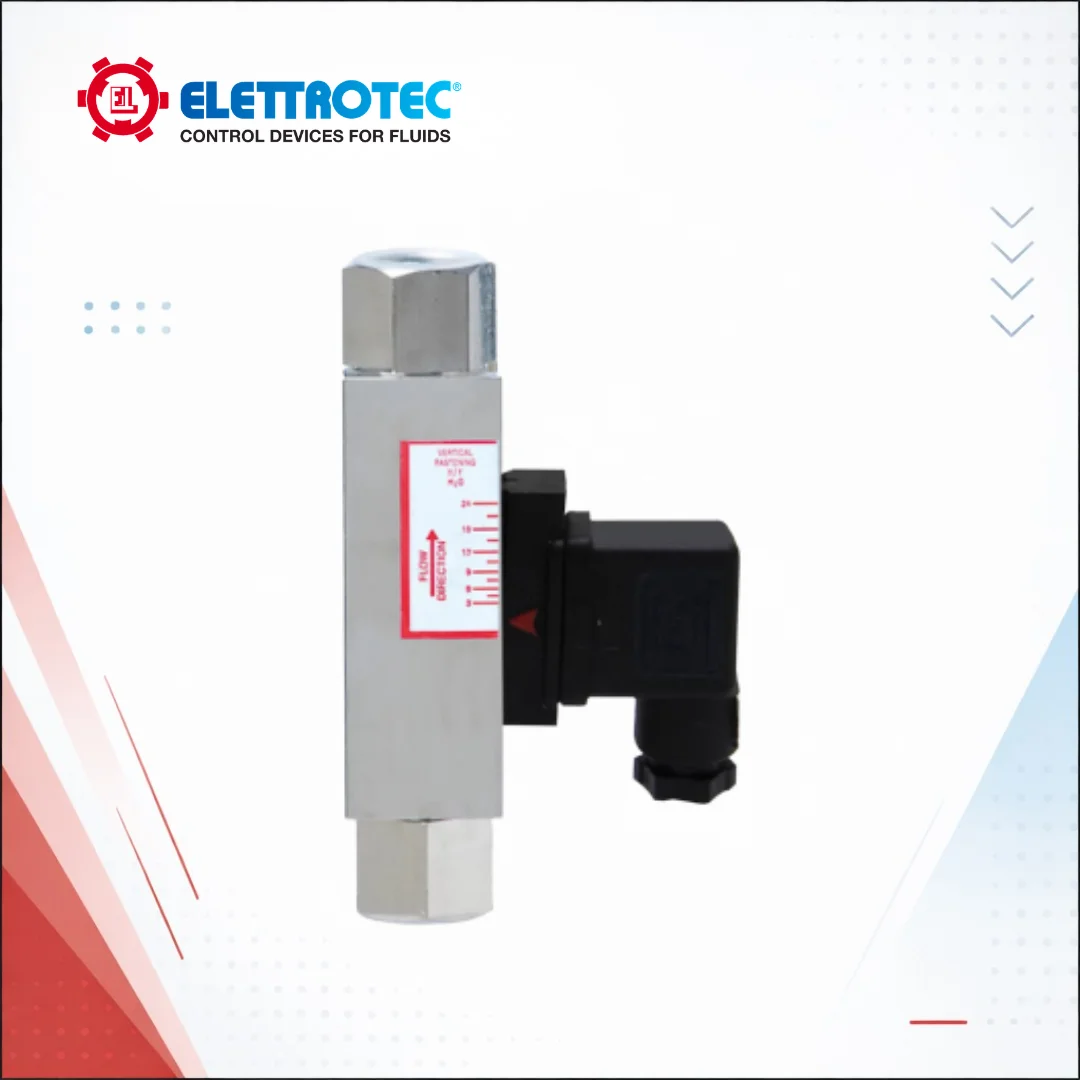
The HQF Mass Flow Meter is a high-performance industrial flow measurement solution engineered for accurate mass flow and density monitoring in complex process environments. Widely used in oil and gas operations, chemical plants, water and wastewater systems, HVAC/R systems, food processing, marine applications, and vehicle testing systems, it ensures precise and stable measurement under varying operational conditions.
Built for modern industrial requirements, this flow meter supports real-time process control, improves efficiency, and enhances system reliability.
Key Features
- High accuracy flow measurement up to ±0.1%
- Simultaneous mass flow and density measurement
- Wide temperature handling capability
- Strong anti-interference performance
- Multi-output communication (4–20mA, Modbus, HART)
- Explosion-proof and IP67-rated design
Design & Functionality
The HQF Mass Flow Meter utilizes advanced sensing technology to directly measure mass flow without being affected by temperature, pressure, or fluid properties. Its robust construction allows it to perform reliably in harsh industrial environments such as offshore platforms, chemical reactors, and HVAC systems.
The integrated transmitter ensures seamless signal processing and real-time data output for process automation systems.
Total Crossed Beams
The sensor design incorporates optimized internal flow pathways to ensure accurate signal detection and measurement stability. This enables consistent performance even in fluctuating flow conditions and complex fluid compositions.
Beam Pitch Options
Flexible design configurations allow adaptation to various pipe sizes and industrial requirements. From small-diameter precision systems to large-scale industrial pipelines, the HQF meter ensures accurate measurement across all applications.
Intrinsic Synchronism
The system maintains synchronized measurement between flow and density parameters, ensuring real-time accuracy and eliminating drift. This enhances reliability in critical applications such as batching, dosing, and process monitoring.
Operational Advantages
- Improves process efficiency and reduces waste
- Enables precise control in chemical and food production
- Supports energy optimization in HVAC and marine systems
- Enhances safety in oil, gas, and hazardous environments
- Reduces maintenance with stable long-term performance