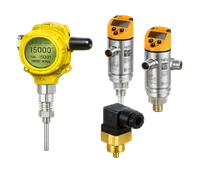
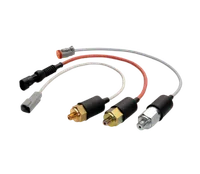
The LM1, LM2, and LMM1 intrinsic safety level switches are advanced industrial solutions designed for accurate liquid level monitoring in hazardous environments. Built to meet ATEX standards, these switches provide safe and reliable performance in explosive atmospheres commonly found in chemical processing, oil and gas, and industrial manufacturing sectors. Their robust construction and precision engineering make them ideal for critical level detection applications.
Key Features
- ATEX certified for explosive environments
- Intrinsic safety design for maximum protection
- Multiple actuation configurations (LM1, LM2, LMM1)
- Flexible mounting options (flange and threaded)
- High durability materials for long service life
Design & Functionality
These level switches are designed with high-quality brass bodies and NBR floats, ensuring resistance to industrial fluids and harsh operating conditions. The anodized aluminium mounting enhances structural integrity while maintaining lightweight performance. The switches operate using precise actuation points, delivering accurate and consistent level detection.
Total Crossed Beams
The LM series supports multiple switching configurations, allowing users to monitor single or dual actuation points. This flexibility enhances process control and safety in dynamic industrial environments where precise level monitoring is essential.
Beam Pitch Options
With customizable mounting options including flange (CFA Ø52) and threaded (CTA G1″), these switches can be adapted to different tank sizes and installation requirements. This ensures seamless integration into existing systems.
Intrinsic Synchronism
The intrinsic safety execution ensures synchronized and stable operation even under volatile conditions. With minimal input capacitance and inductance, the switches maintain reliable electrical performance while complying with strict safety regulations.
Operational Advantages
These level switches offer significant advantages including enhanced safety in hazardous areas, reduced maintenance requirements, and long operational life. Their ability to function under high pressure and varying temperatures makes them suitable for demanding industrial applications. Industries benefit from improved process efficiency, minimized downtime, and compliance with international safety standards.