Precise Pressure Monitoring and Control
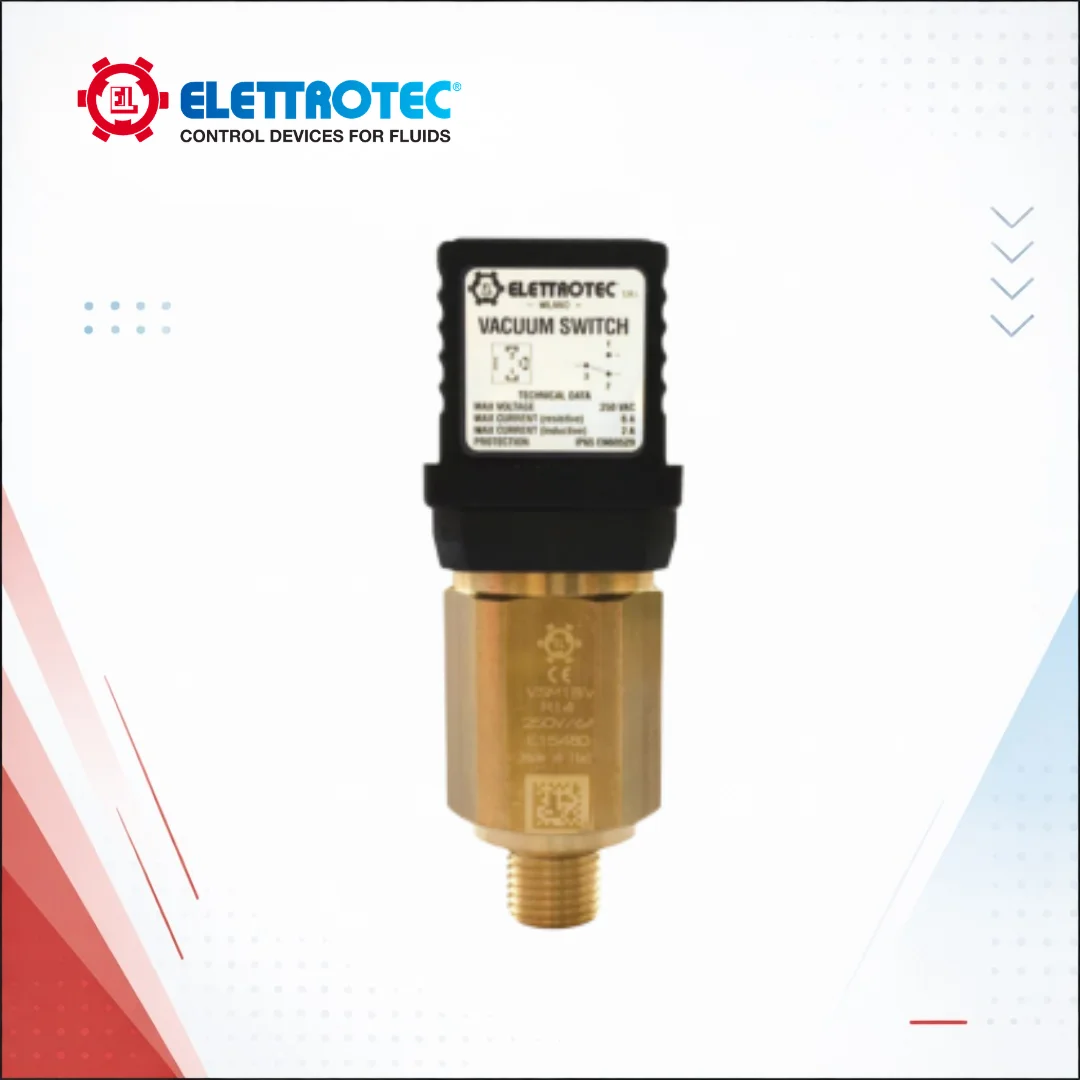
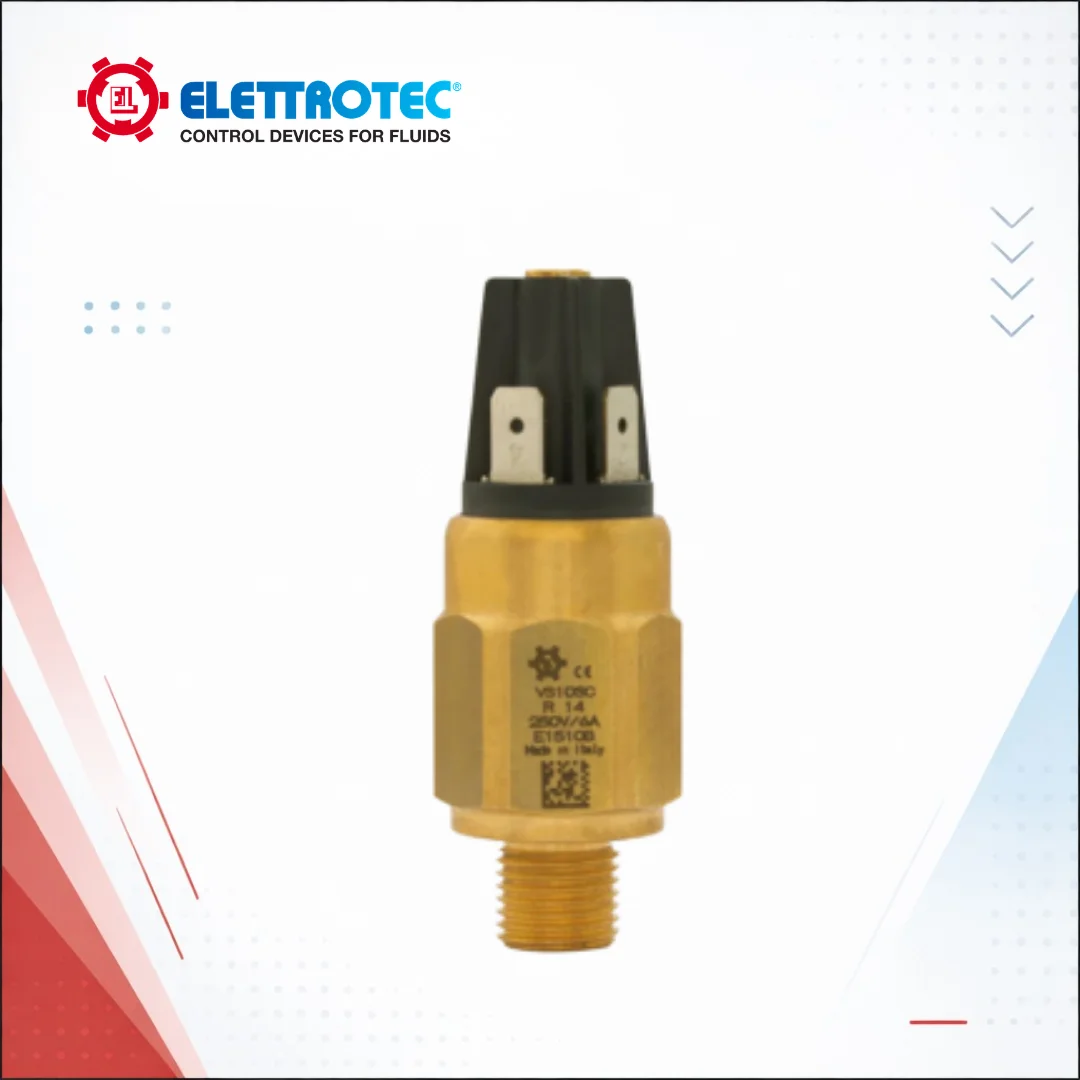
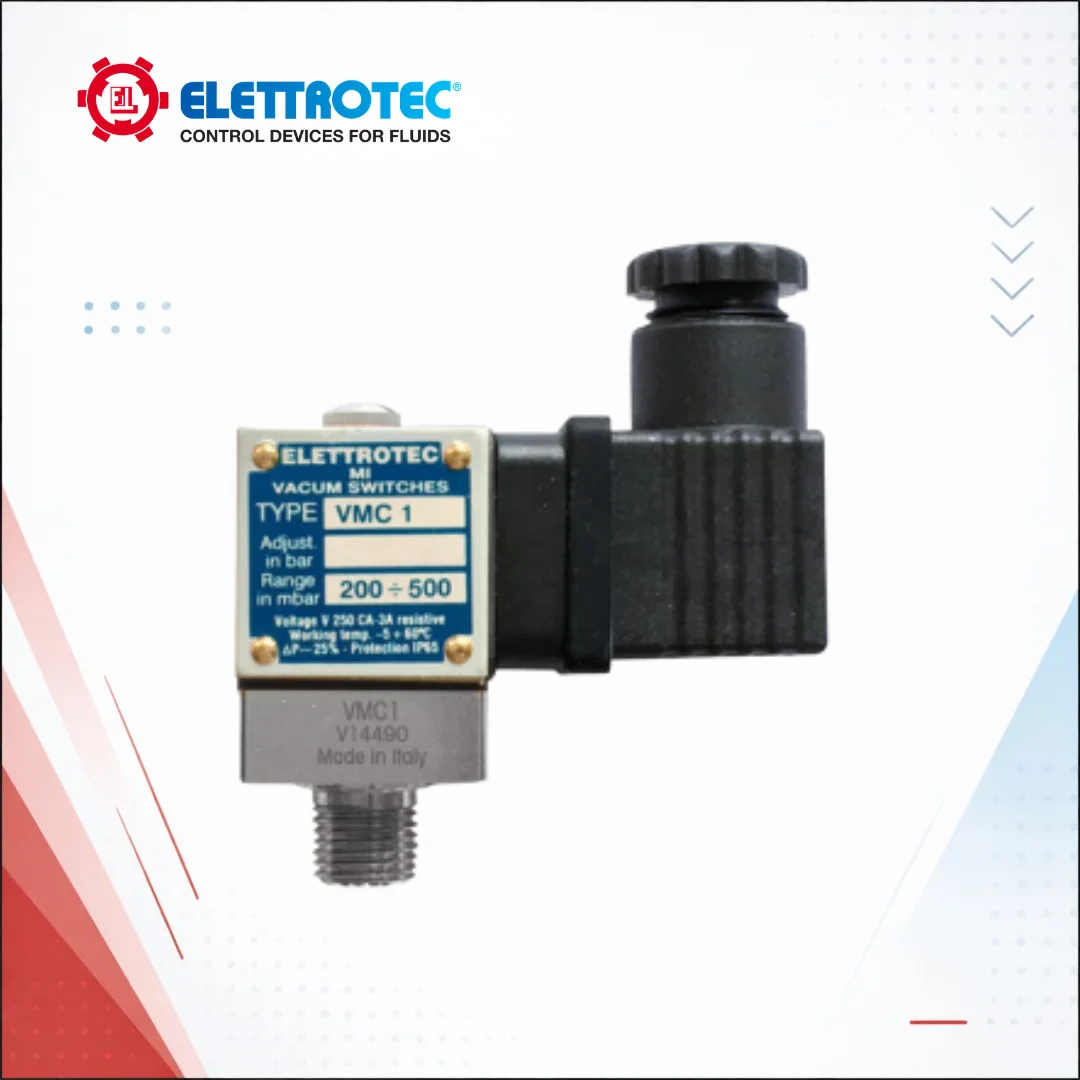
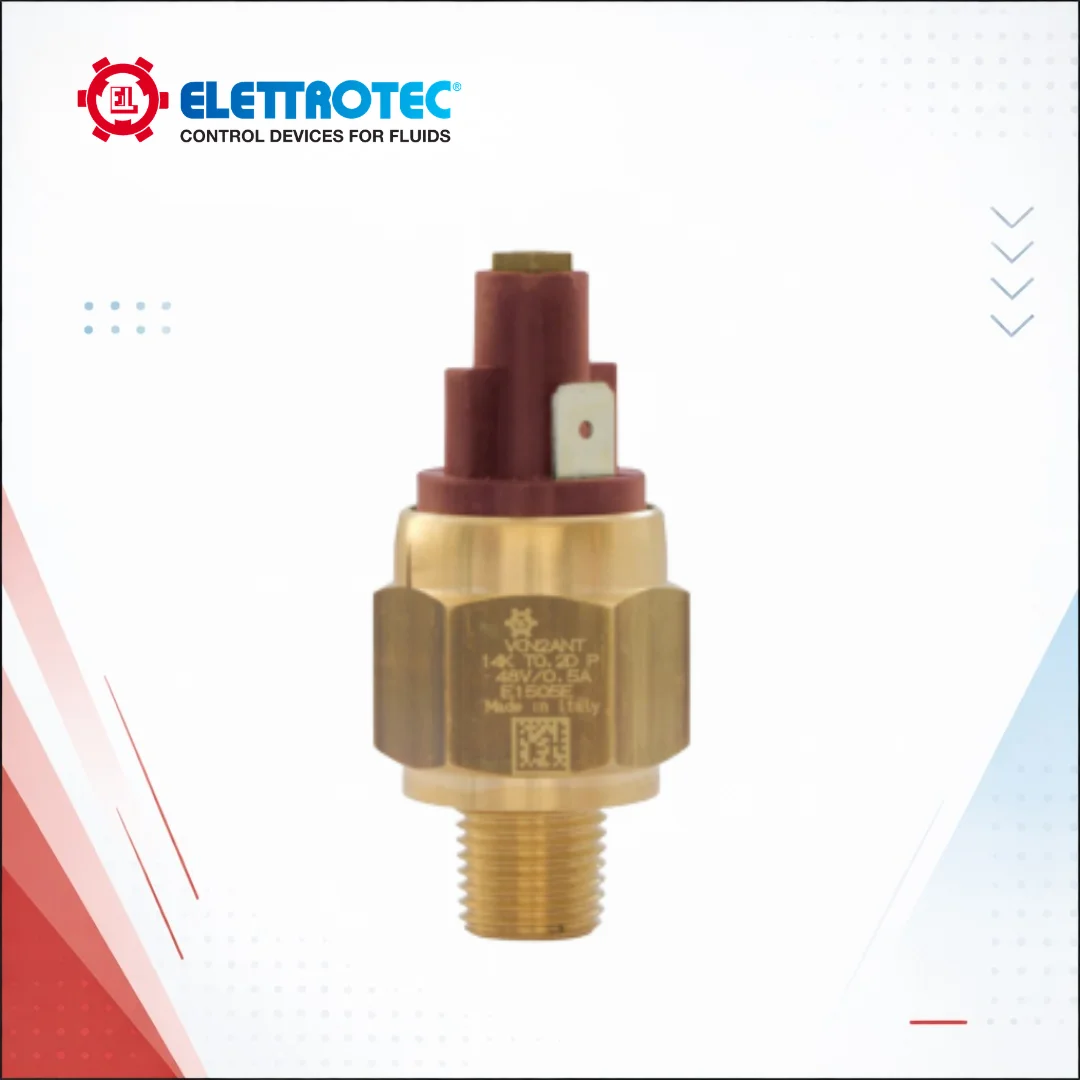
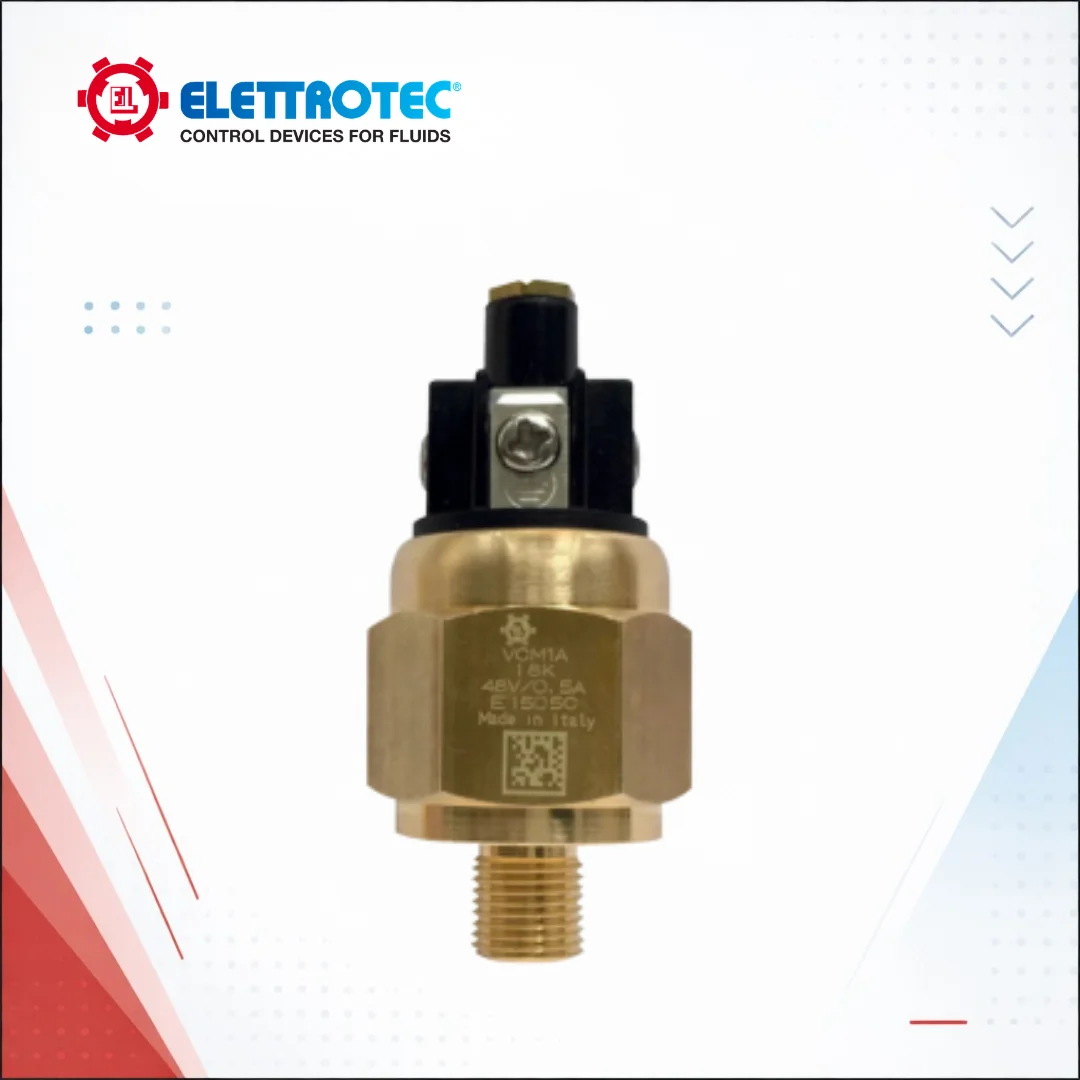
The psp automation pressure switch is designed for reliable pressure monitoring and switching in industrial environments. It provides consistent pressure response for applications where stable control and dependable switching performance are important.
SPDT Contacts and Adjustable Hysteresis
The switch uses SPDT contacts for flexible integration with different electrical control systems. Adjustable hysteresis allows users to define the switching differential according to application requirements, helping reduce unnecessary cycling and system fluctuations.
Compact and Rugged Construction
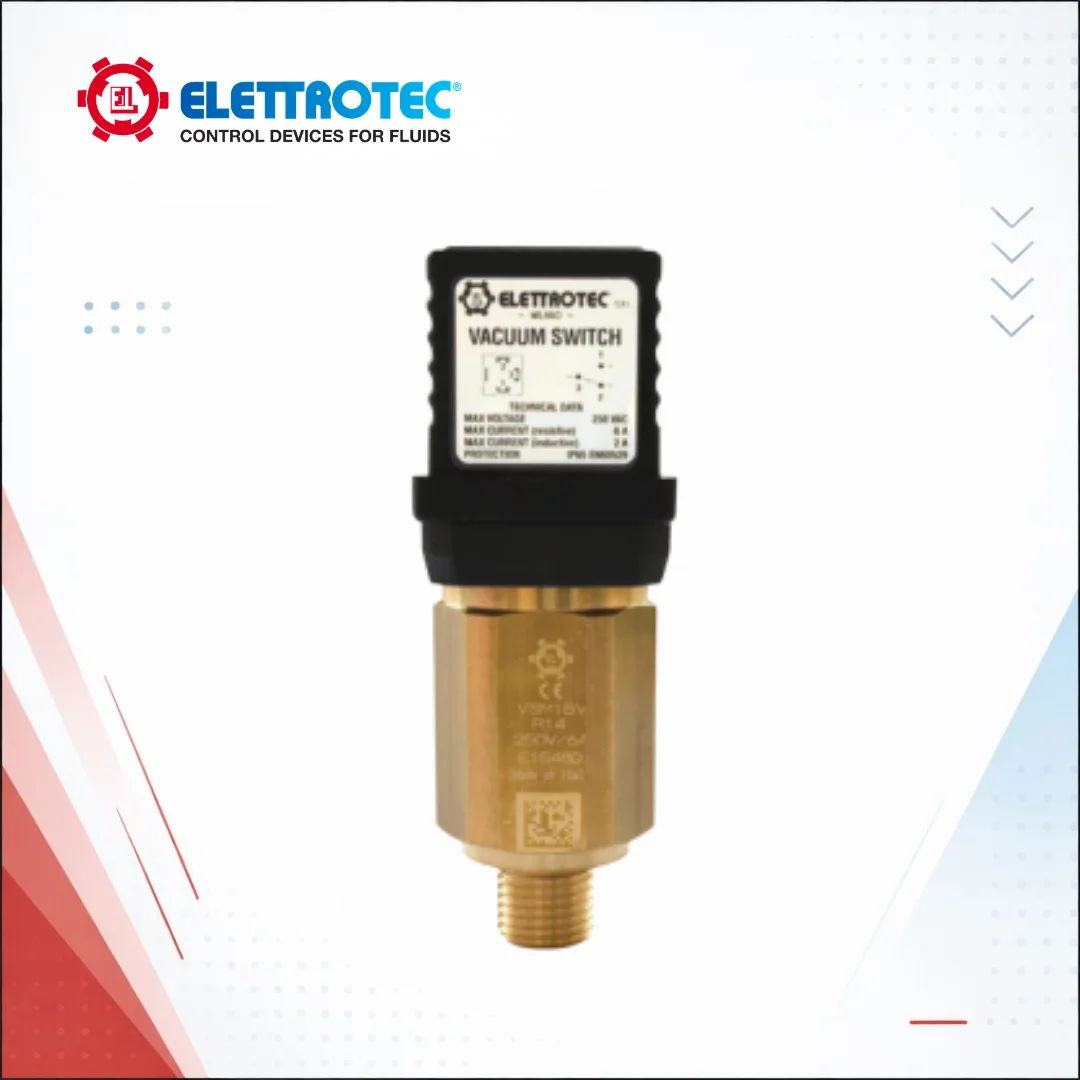
The PSM-PSP features a compact and rugged design suitable for space-constrained industrial installations. Its mechanical pressure actuation provides dependable operation with minimal wear during continuous industrial use.
Industrial Pressure Control Applications
The psp automation pressure switch is suitable for hydraulic systems, pneumatic circuits and industrial process control. Its threaded mounting connection allows integration into compatible pressure monitoring and control systems.
Key Features
SPDT Single Pole Double Throw contacts
Adjustable hysteresis
Mechanical pressure actuation
Configurable pressure range depending on model
Threaded connection
Compact and rugged design
Industrial-grade metal housing
Stable pressure switching performance
Flexible electrical control integration
Suitable for continuous industrial operation
Applications
Hydraulic systems
Pneumatic circuits
Industrial process control
Pressure monitoring systems
Industrial automation
Fluid handling systems
Manufacturing equipment
OEM machinery
Pressure regulation systems
Automated process equipment