
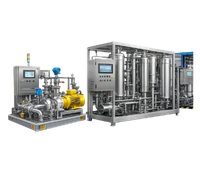
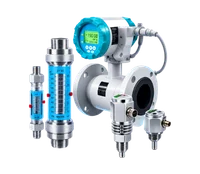
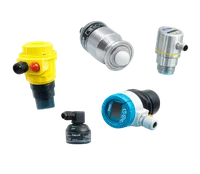
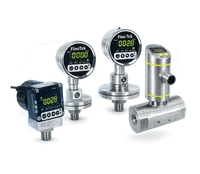

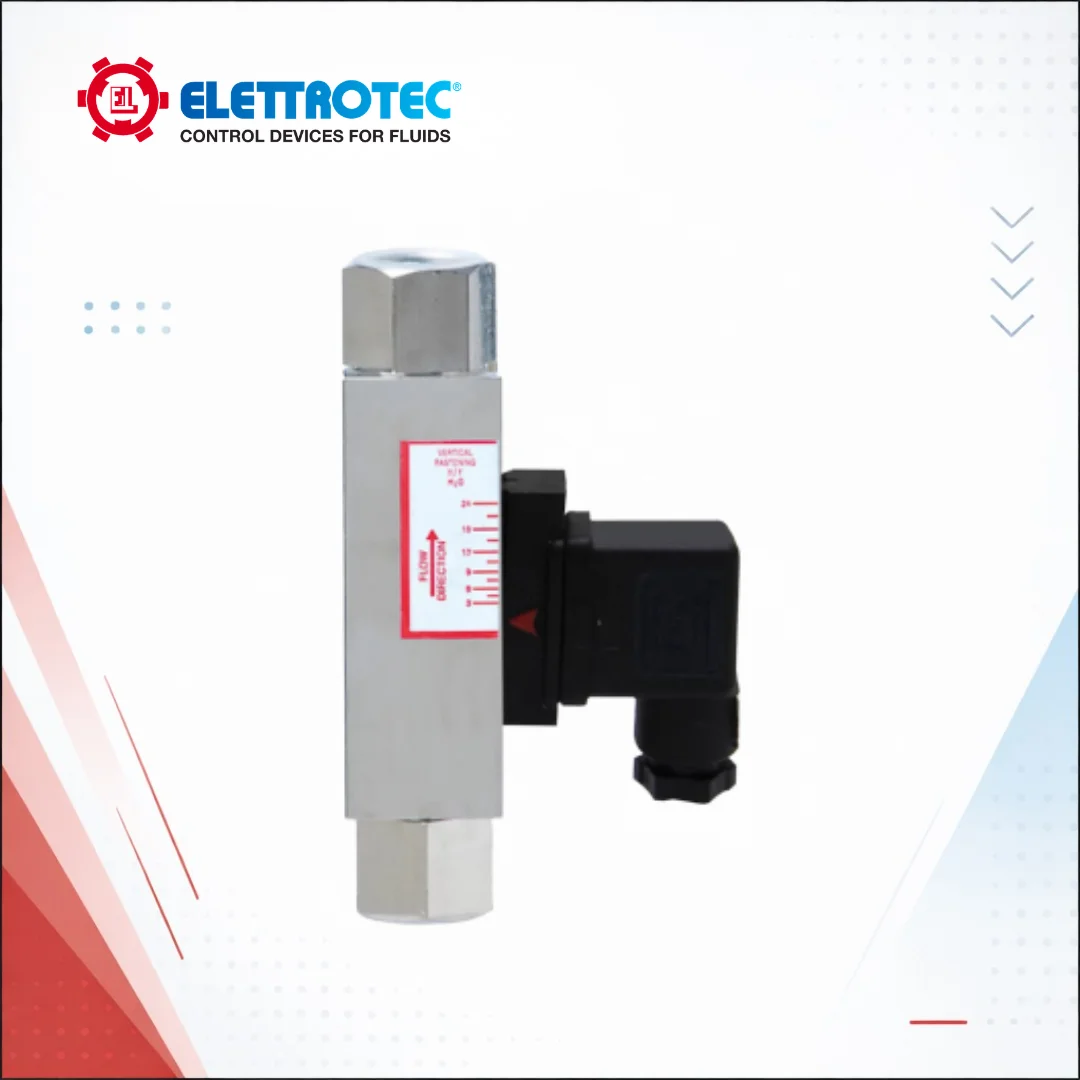
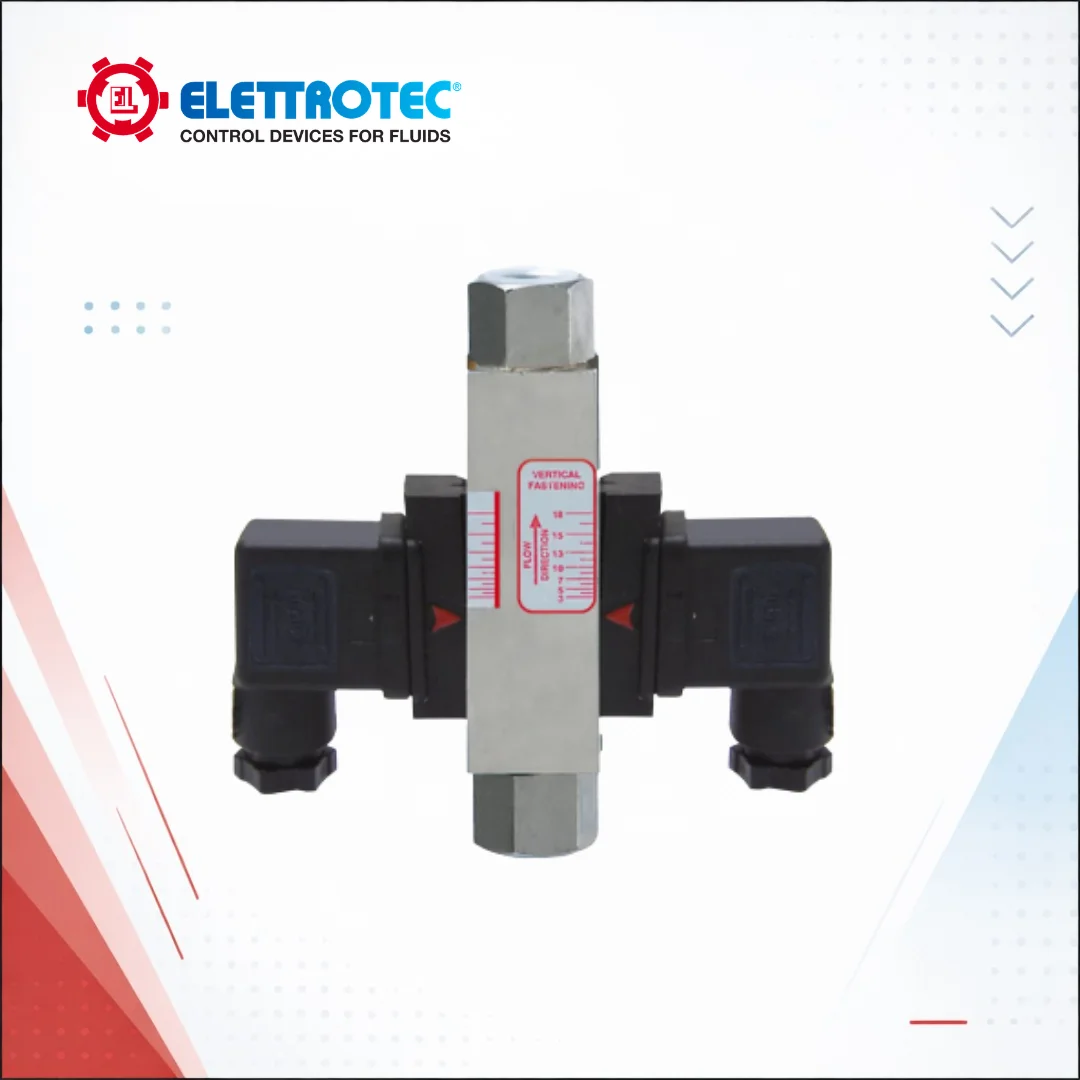
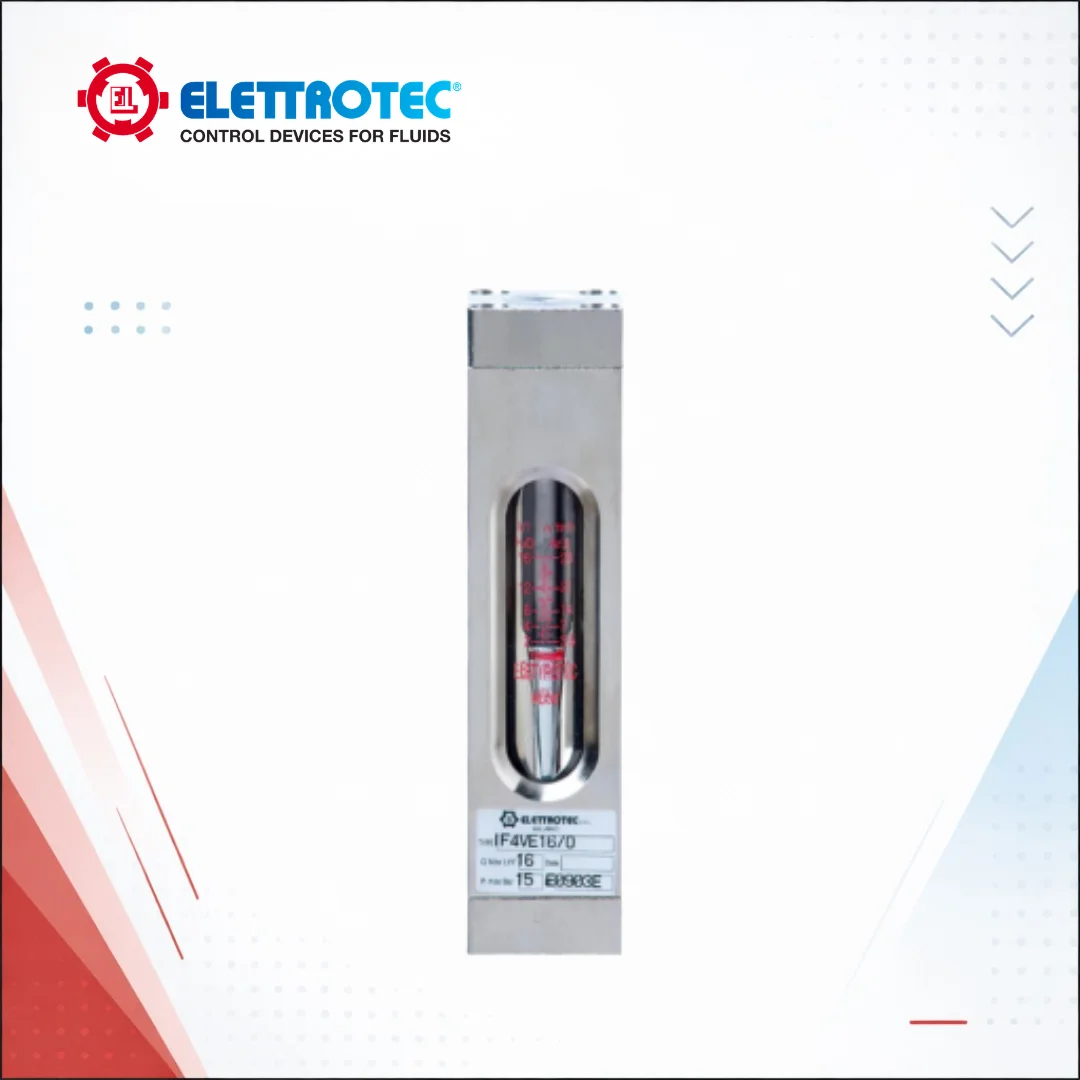
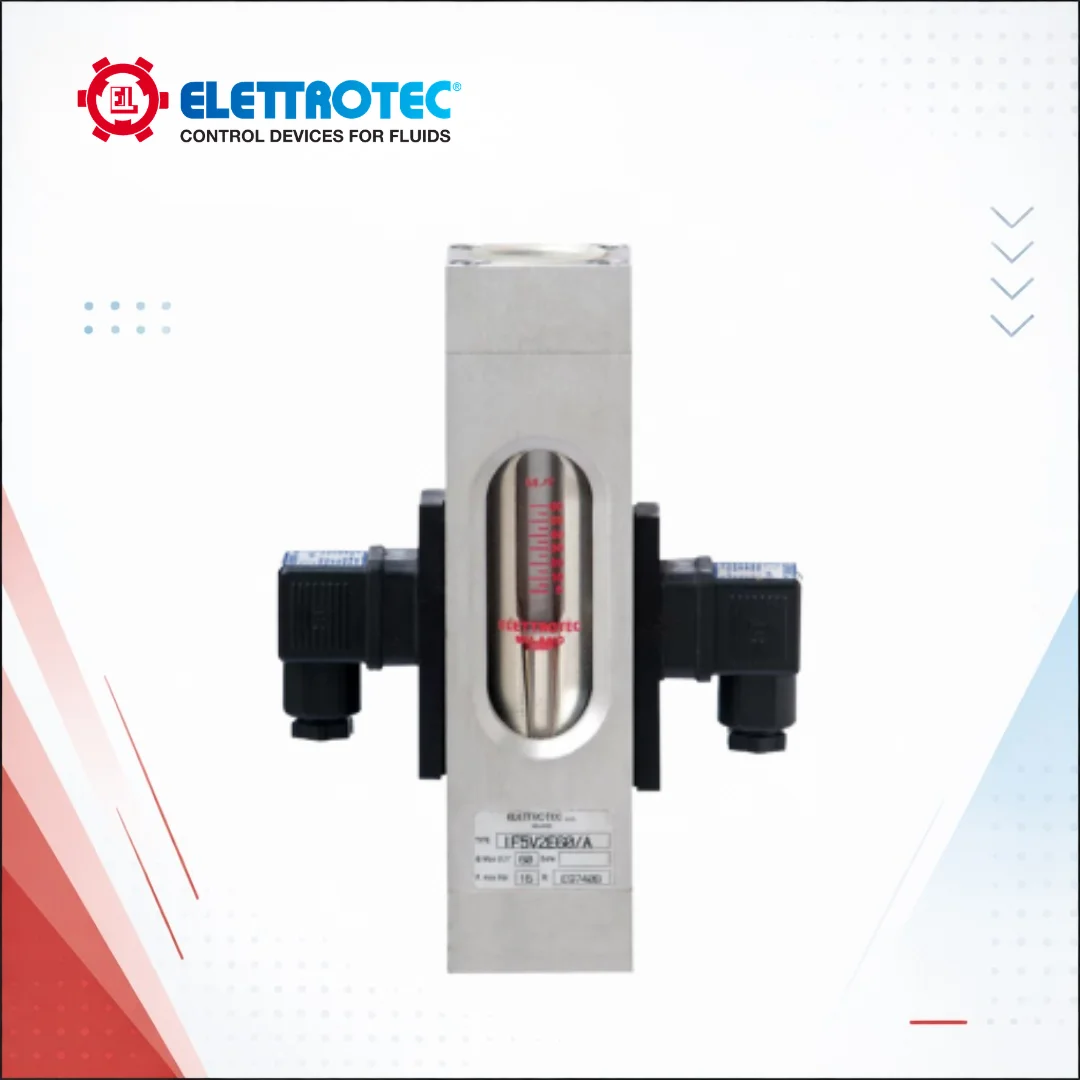
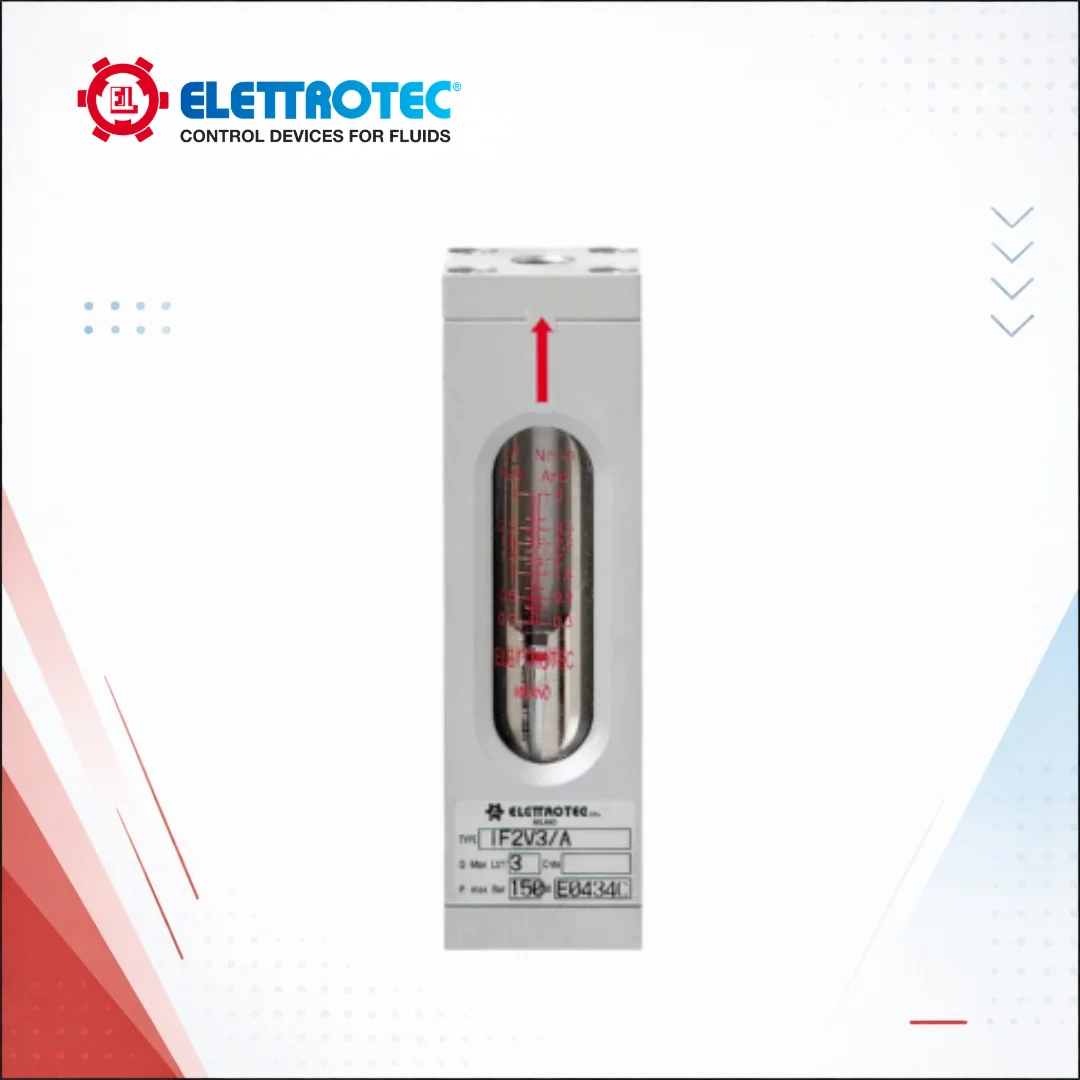
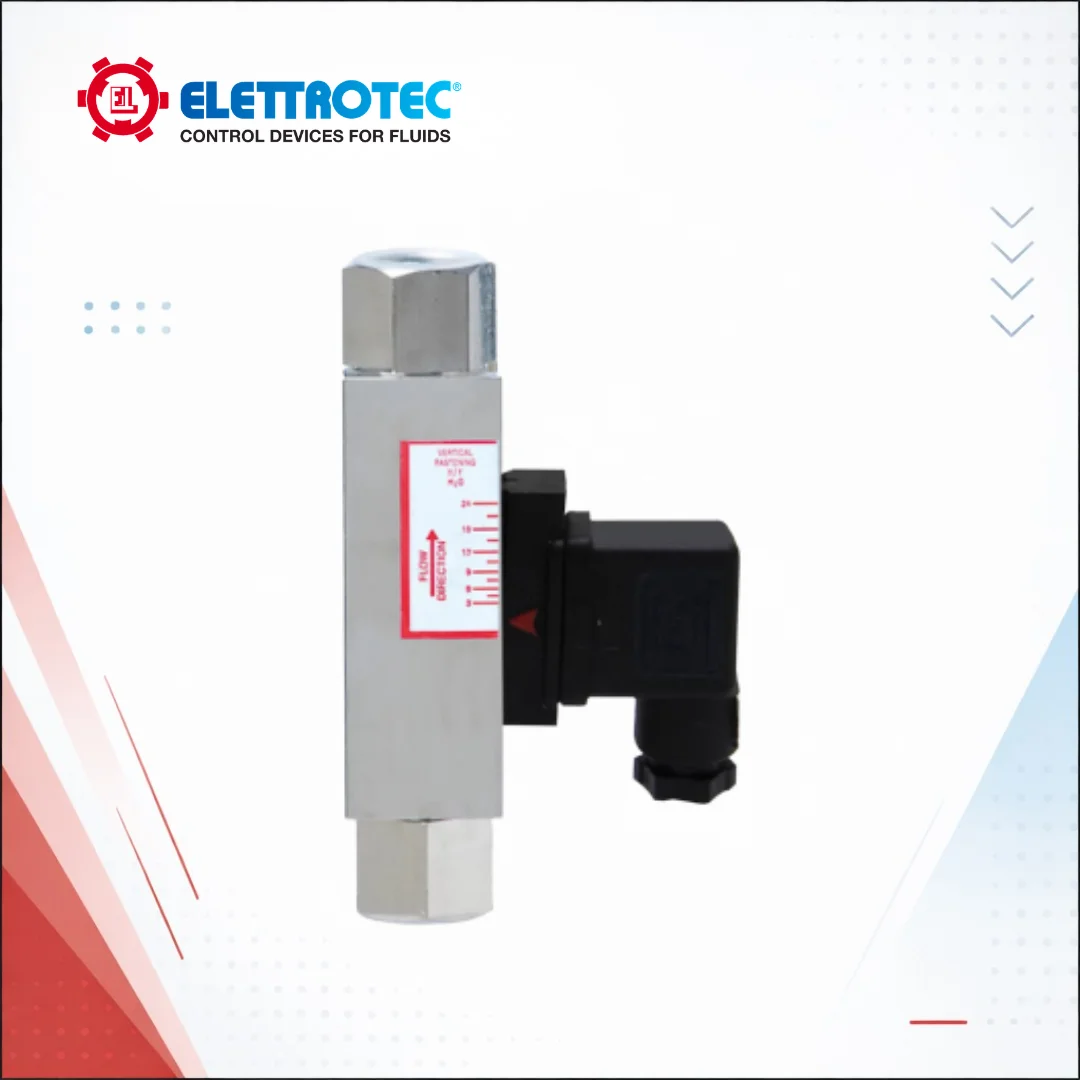
The UFL9000 Open Channel Flow Meter is a high-performance ultrasonic flow measurement solution engineered for industrial environments requiring precise, non-contact monitoring. Designed for applications across water treatment, wastewater management, oil & gas, chemical processing, HVAC systems, marine operations, and food production, this system ensures consistent accuracy and reliability. Its advanced ultrasonic sensing technology enables accurate flow rate calculations in open channels, weirs, and flumes.
Key Features
- High-precision ultrasonic level sensing
- Wide flow measurement range from low to high volumes
- Multi-output support including analog and relay signals
- Industrial-grade durability with IP65/IP68 protection
- Real-time LCD display with diagnostic insights
- Flexible communication via RS485, RS232, and MODBUS
Design & Functionality
The UFL9000 operates using ultrasonic wave reflection to measure liquid level and compute flow rates based on channel geometry. Its split-type design separates the display unit and transducer, ensuring flexible installation across industrial setups. The system supports multiple installation methods, including flange, threaded, and bracket mounting, making it adaptable to diverse environments.
Total Crossed Beams
The ultrasonic transducer ensures consistent signal transmission and reception, minimizing interference. This results in stable measurement across varying flow conditions, including turbulent or uneven surfaces commonly found in wastewater and industrial discharge channels.
Beam Pitch Options
The system offers optimized beam alignment for different channel widths and depths. This flexibility enhances measurement accuracy across applications such as chemical processing plants, HVAC drainage systems, and marine fluid management systems.
Intrinsic Synchronism
Built with synchronized signal processing, the UFL9000 ensures real-time data accuracy without signal lag. This is critical for process control environments where immediate flow data impacts operational decisions.
Operational Advantages
- Eliminates direct contact with fluids, reducing maintenance
- Suitable for corrosive, viscous, or contaminated liquids
- Enhances process efficiency in industrial automation systems
- Reduces downtime with stable and long-lasting components
- Ideal for engineers, facility managers, and system integrators