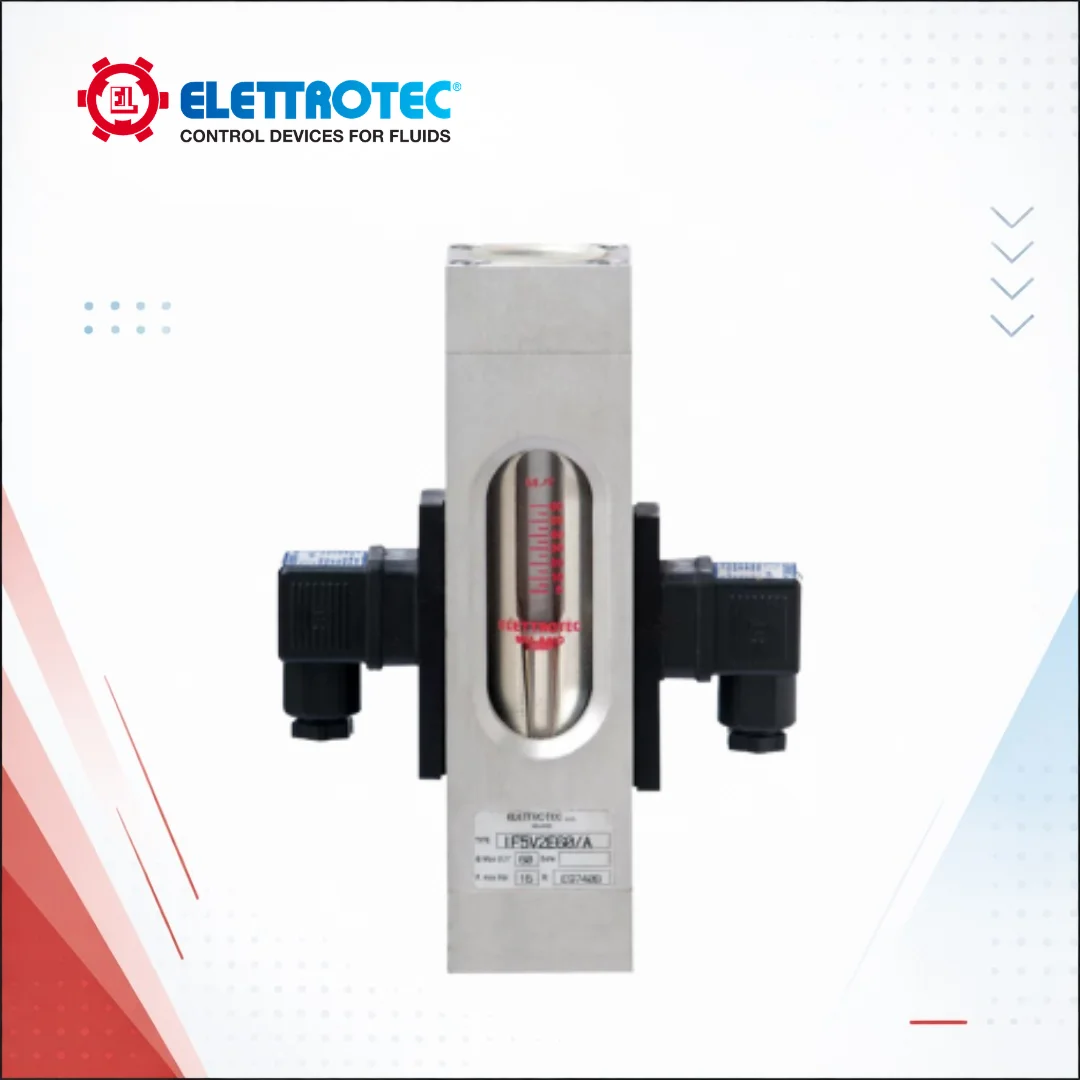
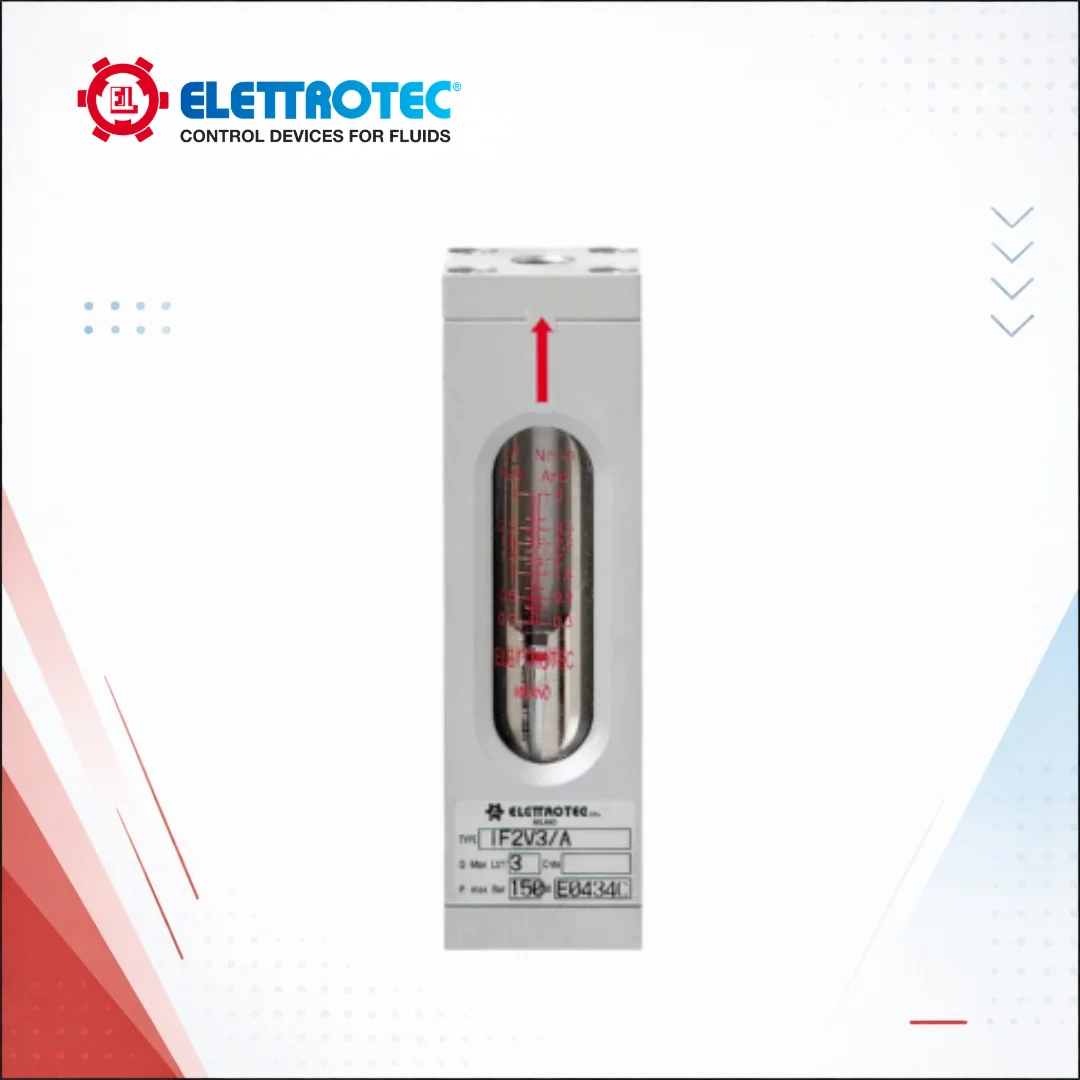
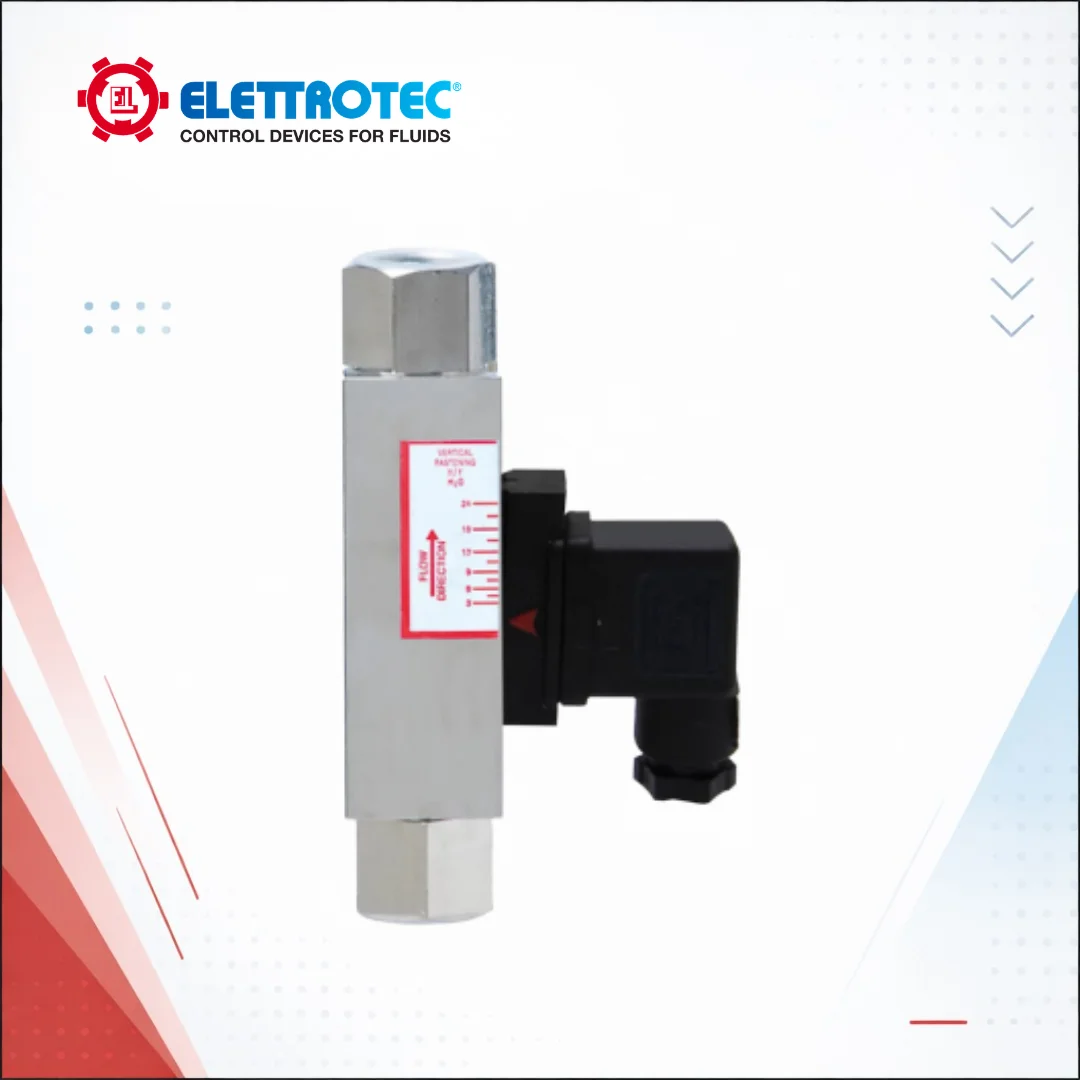
Product Overview
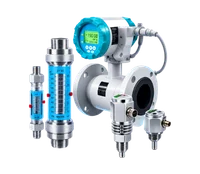
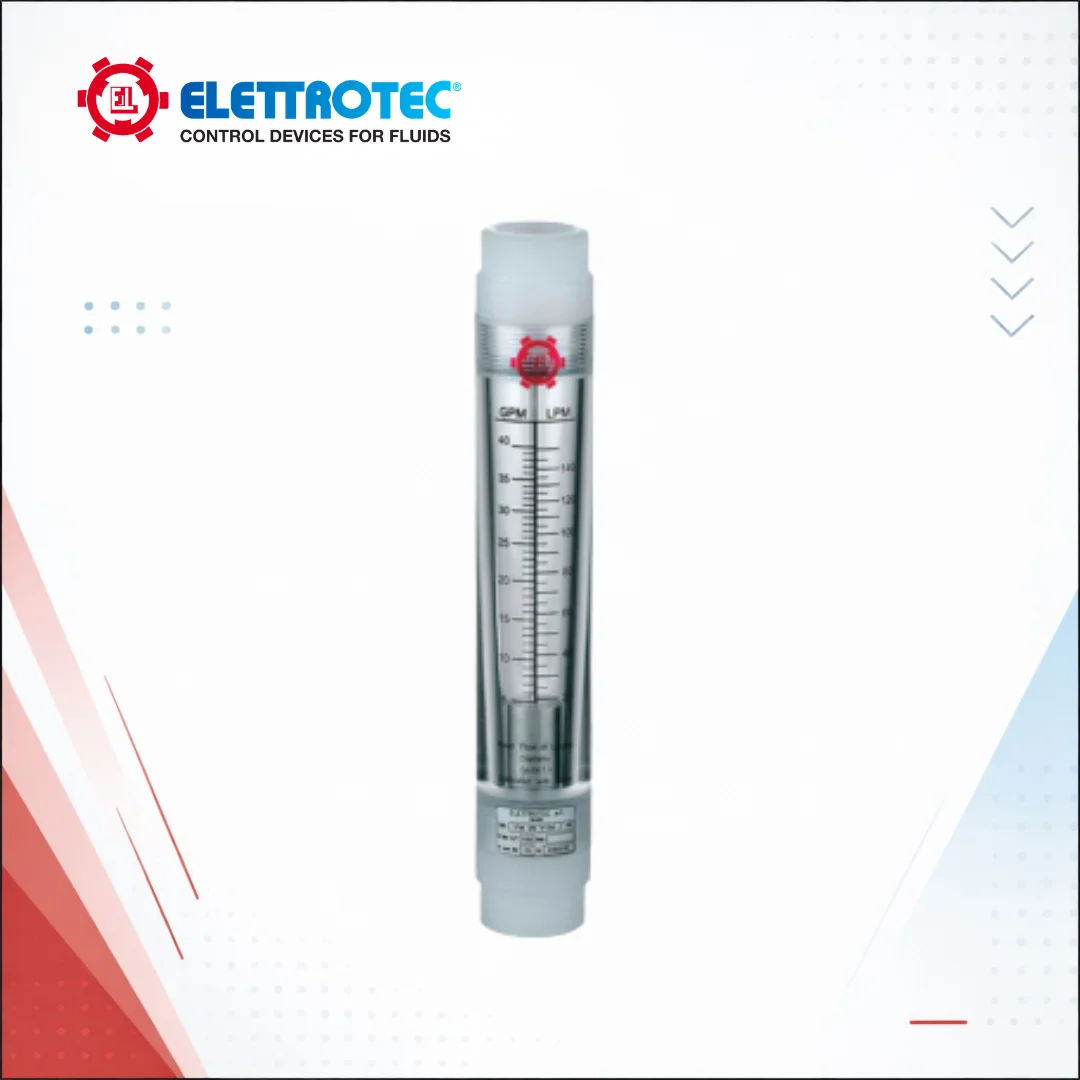
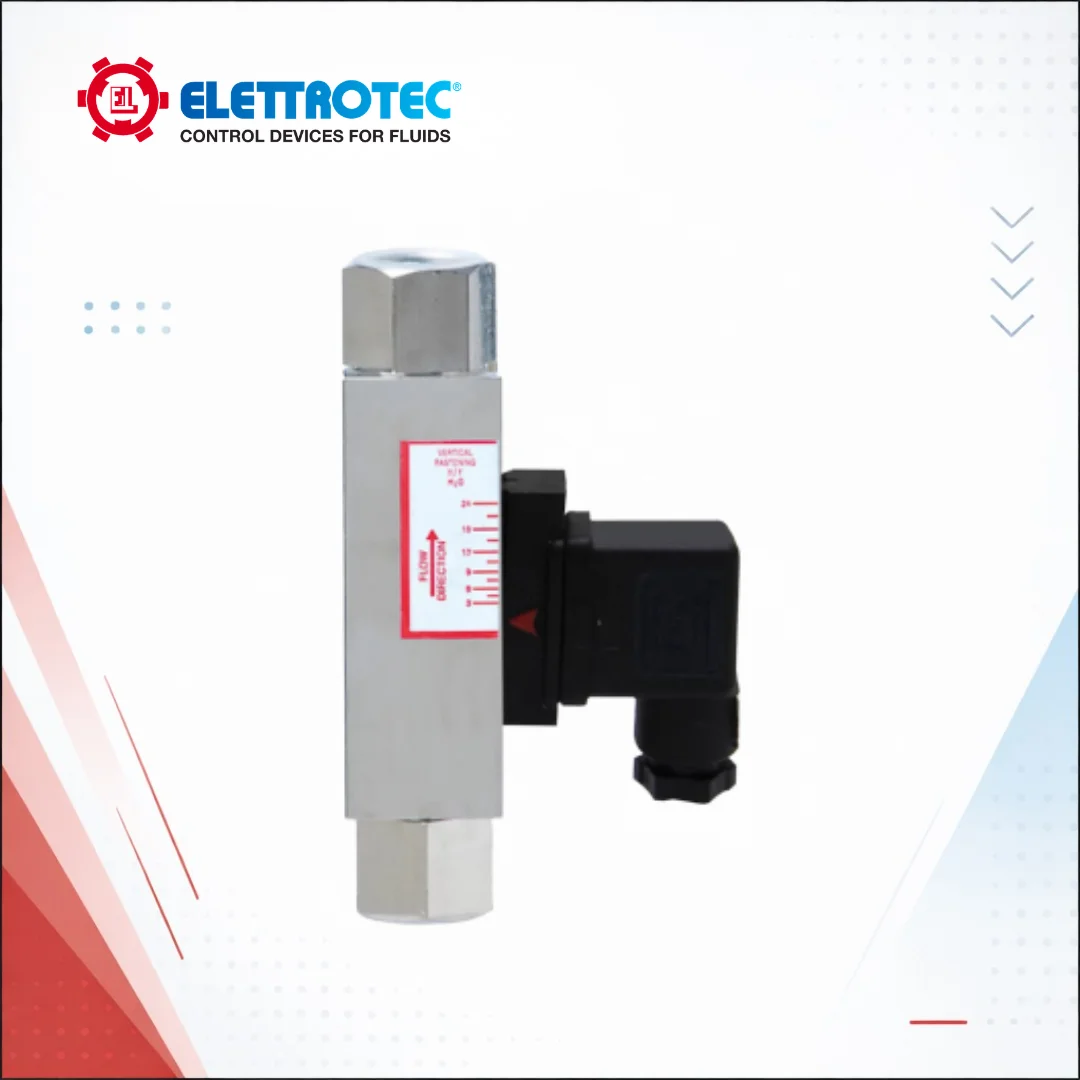
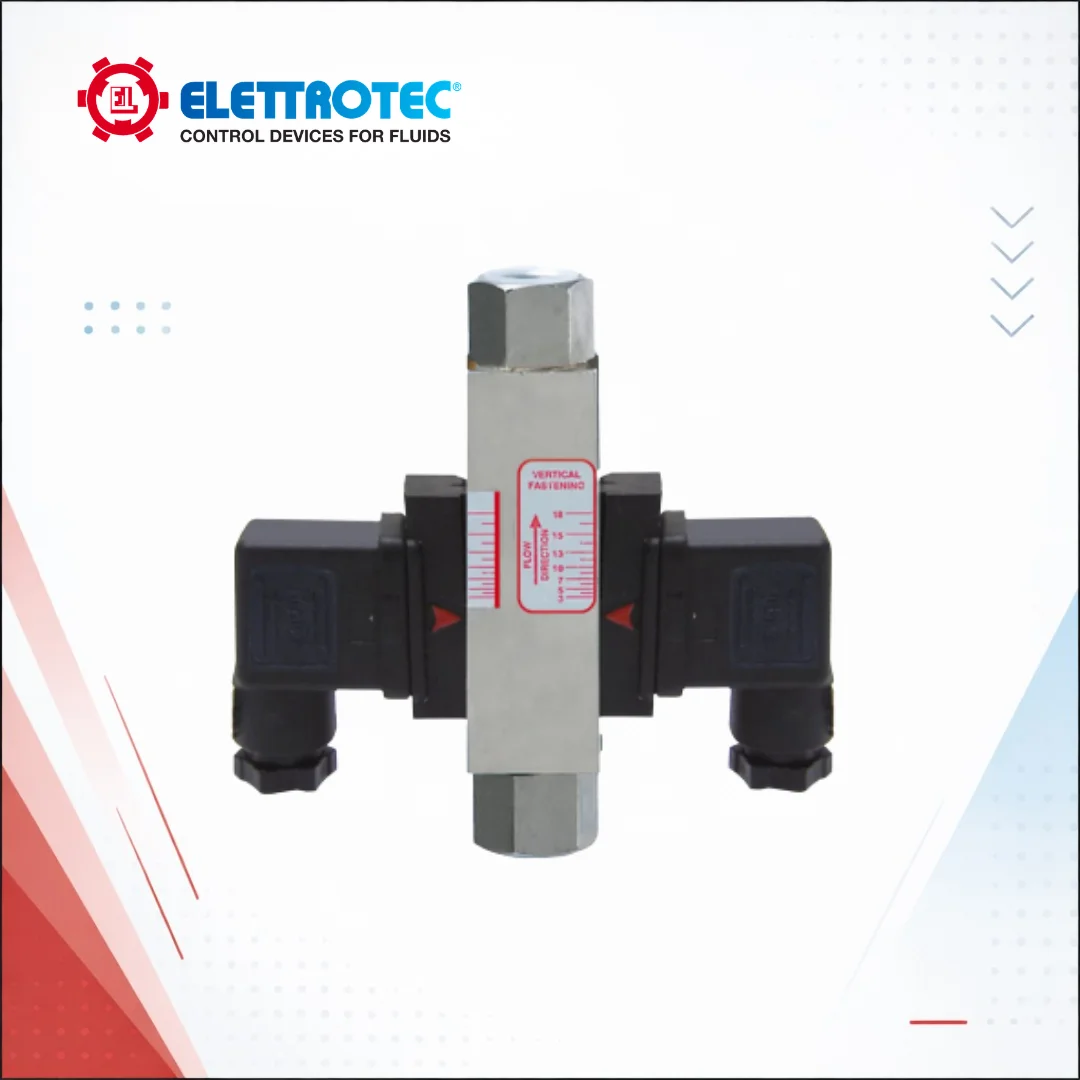
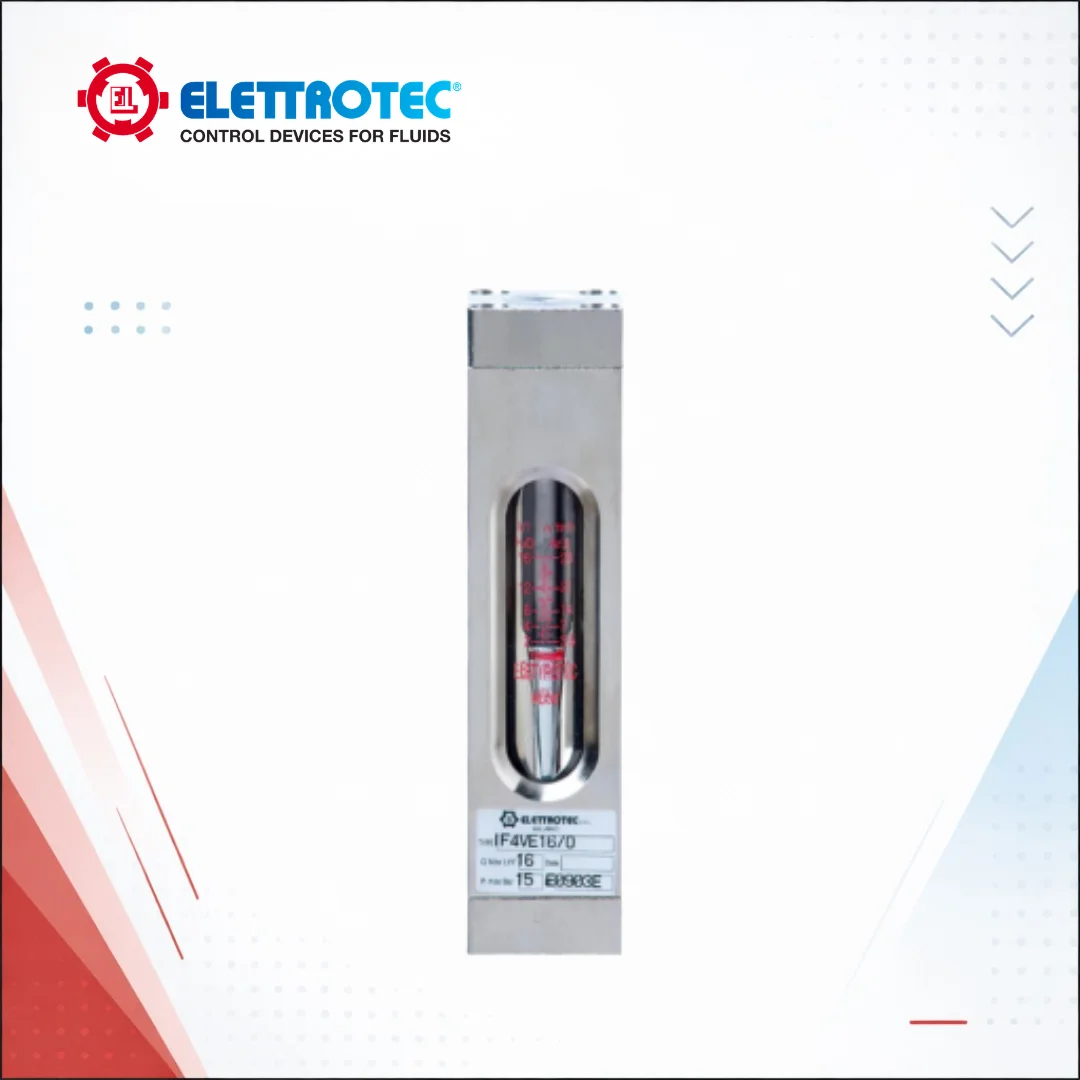
The ultrasonic glycol flow meter is designed to monitor liquid flow in industrial systems handling water, oil and glycol solutions. It uses ultrasonic measurement technology to provide flow information without relying on moving mechanical parts. Depending on the selected model, additional measurement and output functions support process monitoring and automation integration.
Ultrasonic Liquid Flow Measurement
Ultrasonic technology measures liquid flow through sound-wave-based sensing. This approach supports monitoring of water, oil and glycol solutions and can be suitable for certain non-conductive liquids where conventional flow measurement technologies may be less appropriate.
Non-Invasive Flow Monitoring
The product page describes non-invasive measurement that avoids mechanical wear and pressure loss associated with some inline measuring devices. External installation options can help monitor liquid flow while minimising disruption to the existing pipeline, subject to the selected model.
Flow Rate, Temperature and Total Measurement
Flow-rate, temperature and total-consumption measurement help operators track liquid movement and usage. These readings can support process supervision, fluid management and system optimisation in industrial facilities.
Flexible Industrial Integration
Switching, analogue and pulse outputs support integration with compatible control and monitoring equipment. Applications include HVAC systems, water treatment, chemical processing and manufacturing where reliable liquid-flow information is required.
Key Features
Ultrasonic liquid flow measurement
Suitable for water, oil and glycol solutions
Supports measurement of certain non-conductive liquids
Non-invasive measurement options
No moving mechanical parts in the measurement principle
Flow-rate monitoring
Integrated temperature measurement, depending on model
Total-flow measurement, depending on model
Switching, analogue and pulse output options
Accuracy listed as ±1–2% of measured value
IP65 / IP67 protection, depending on model
M12 connector or cable connection options
Compact industrial design
Suitable for continuous flow monitoring
Applications
Glycol circulation systems
HVAC systems
Water treatment plants
Oil flow monitoring
Water flow monitoring
Chemical processing facilities
Manufacturing plants
Industrial fluid management
Liquid consumption monitoring
Process control systems
Industrial automation applications