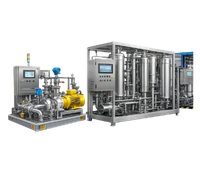
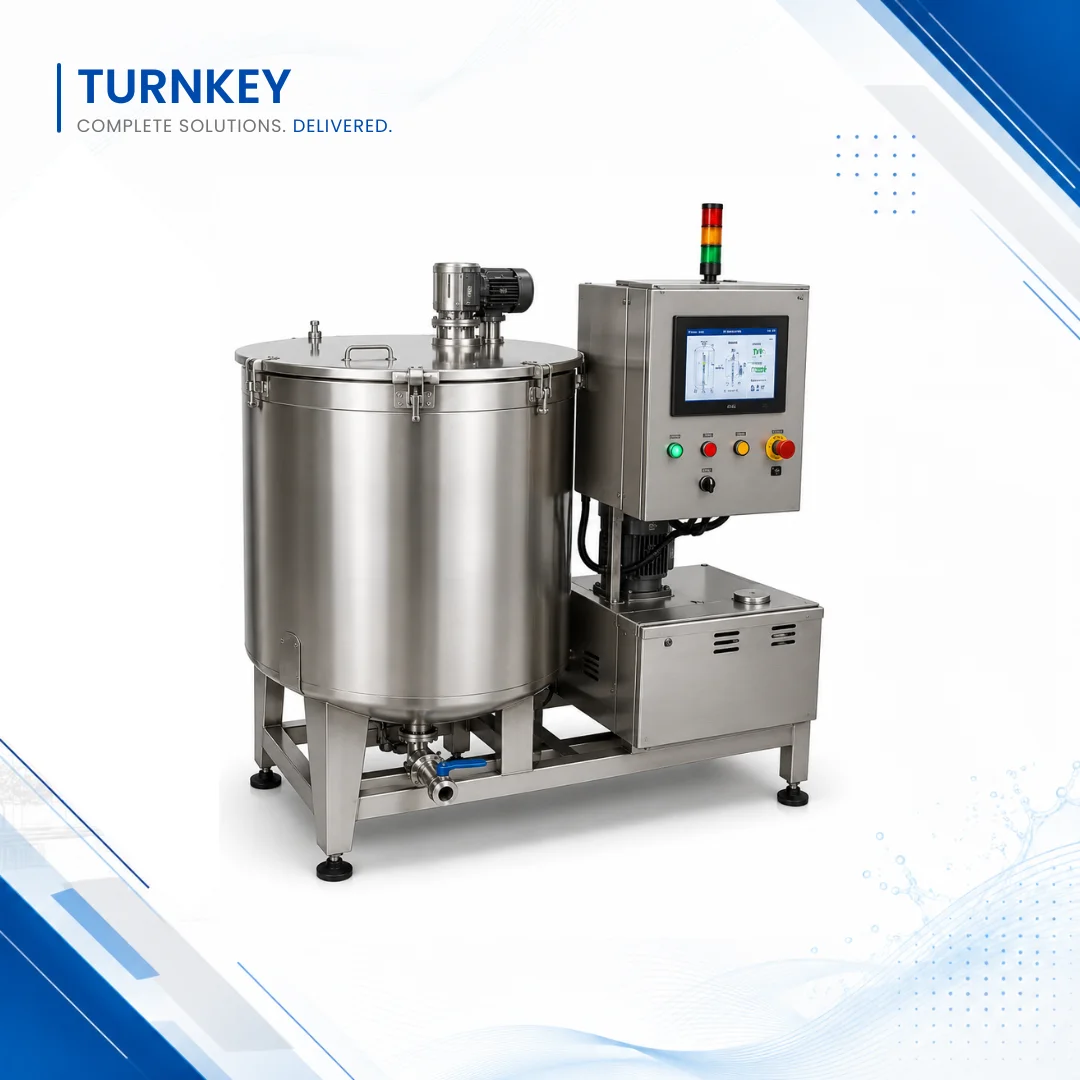
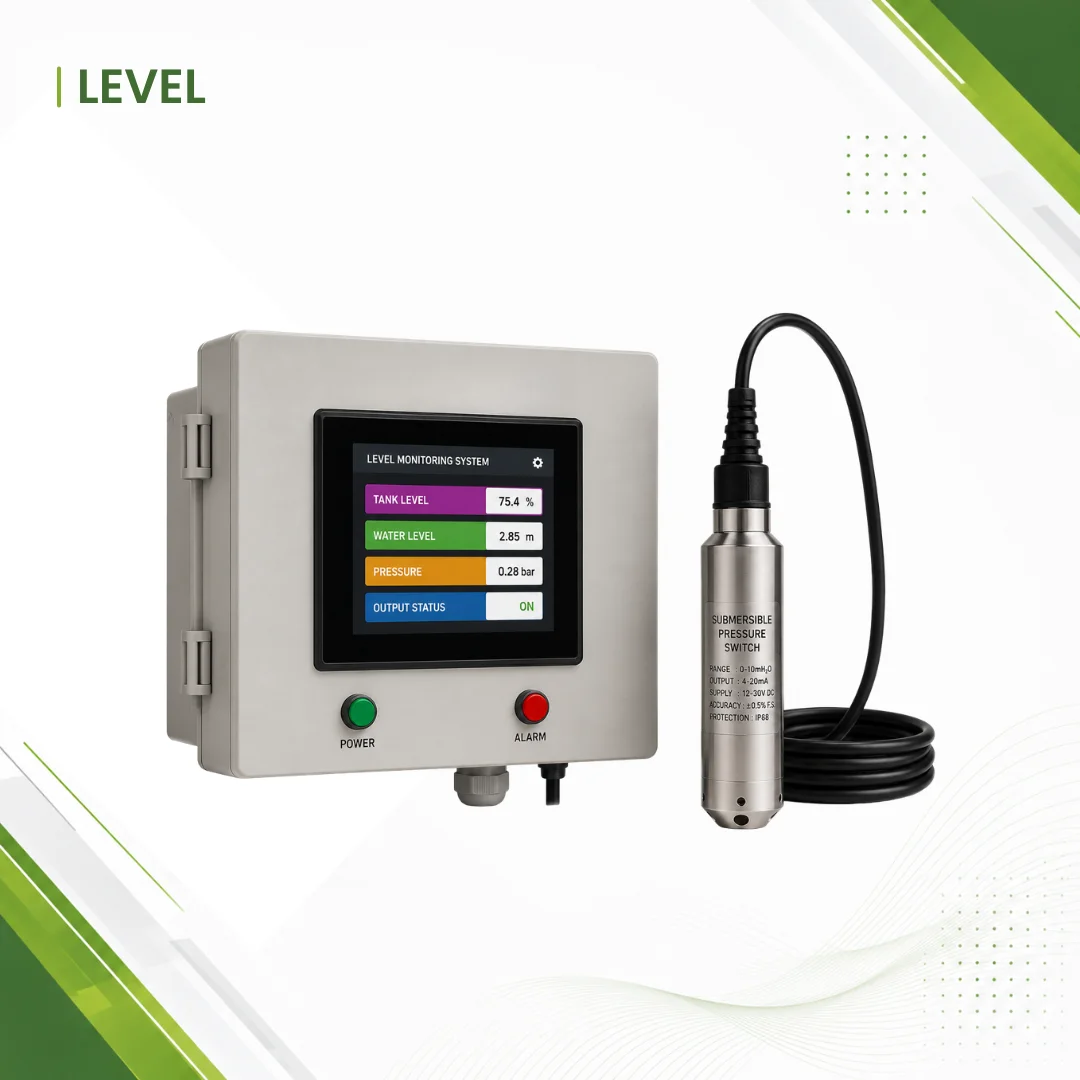
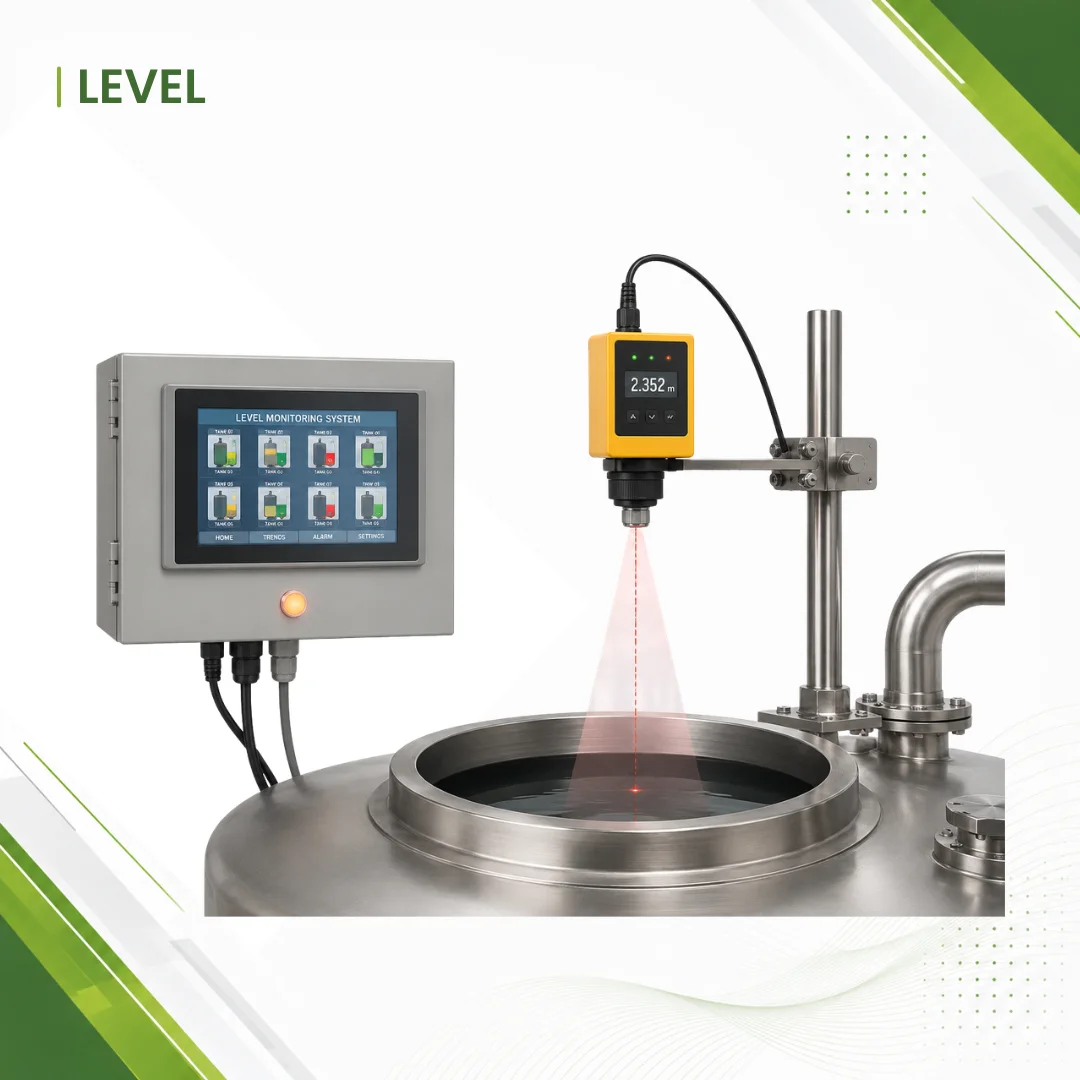
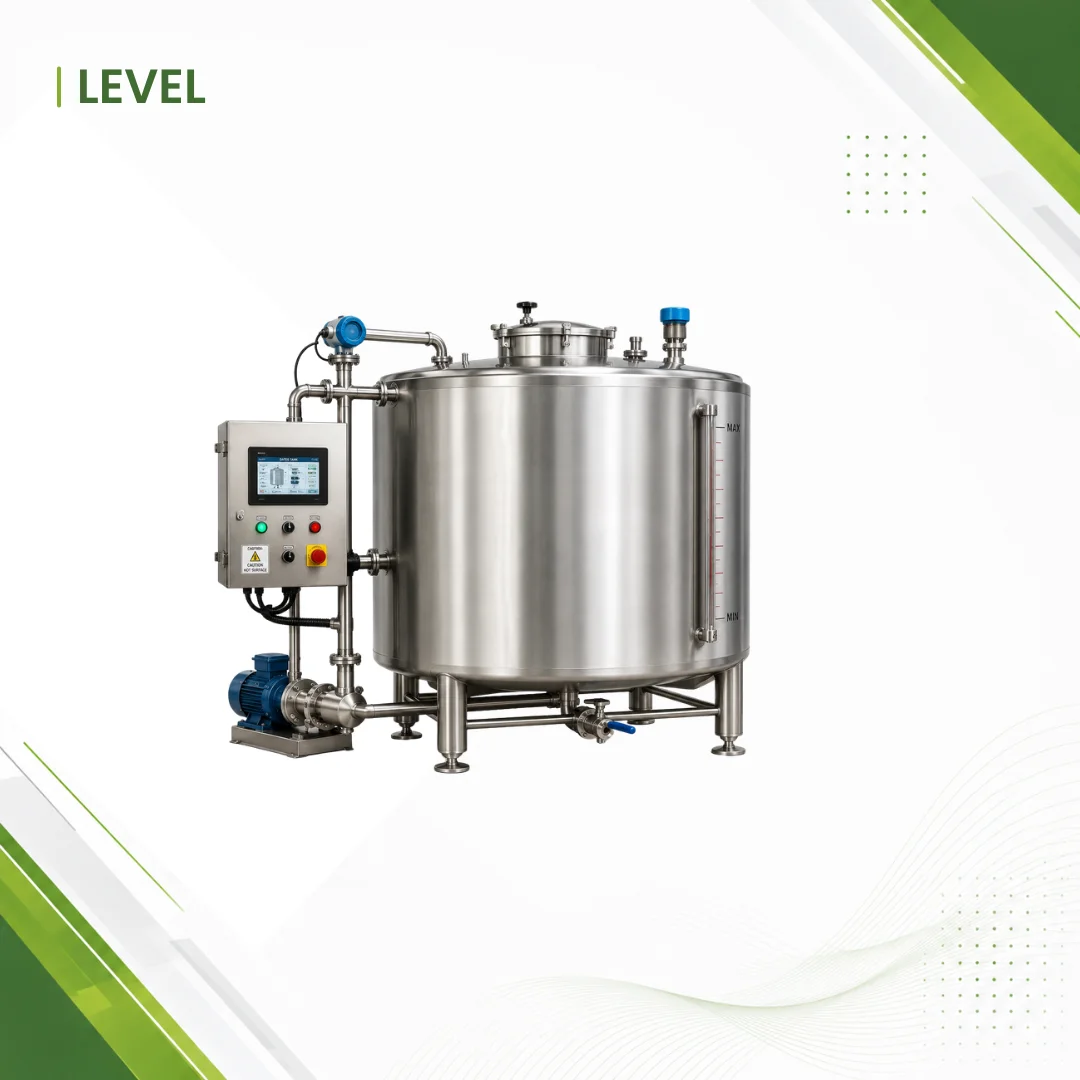
The Dosa Batter Making System is designed to automate the complete batter preparation process, from ingredient mixing to final batter transfer. The system ensures uniform mixing, controlled processing, and consistent batter quality for high-volume food production.
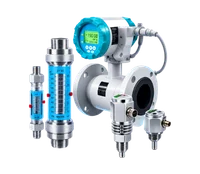
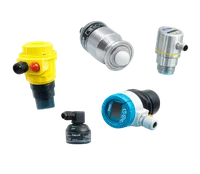
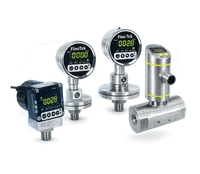
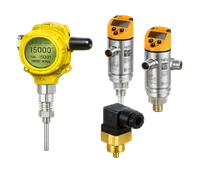
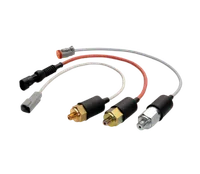
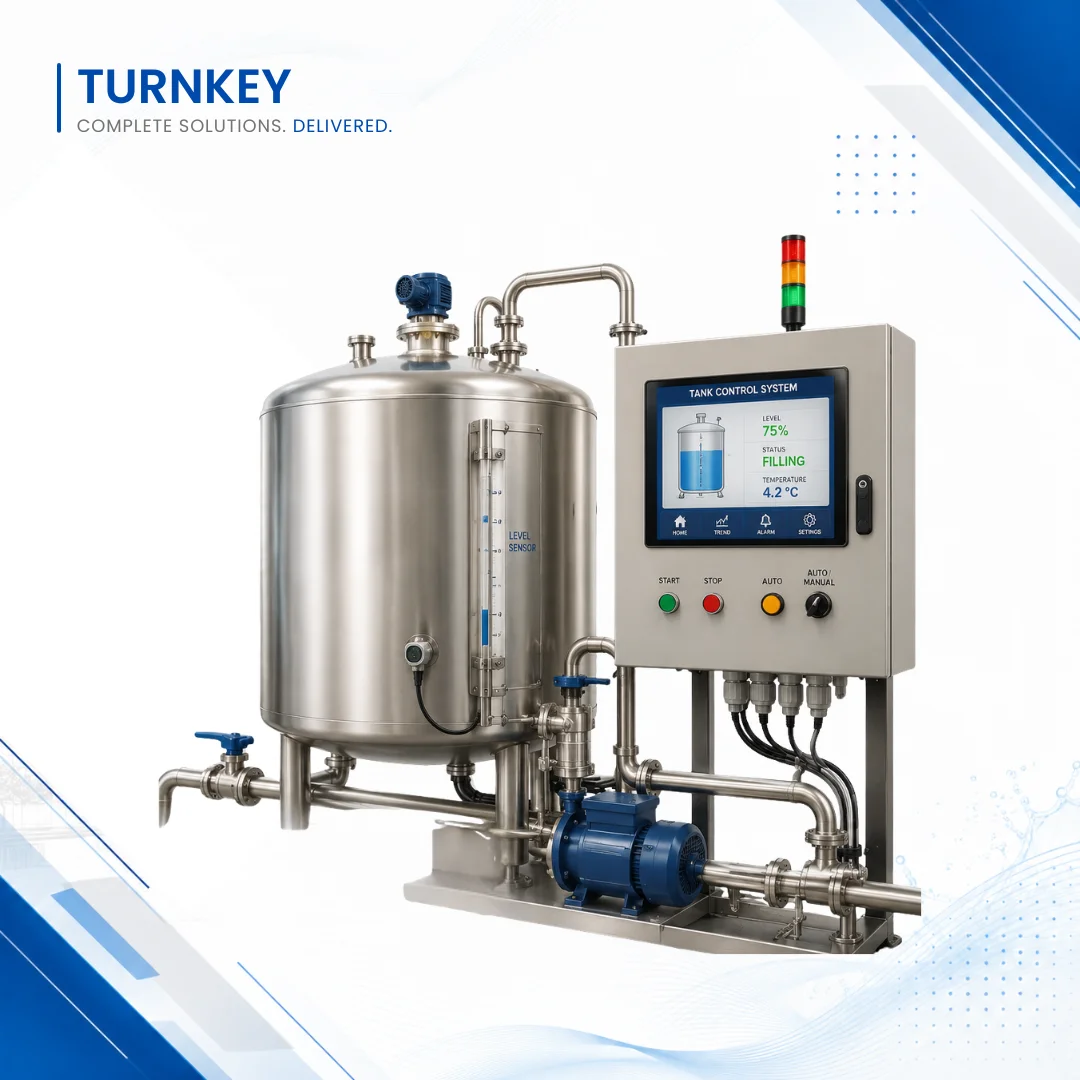
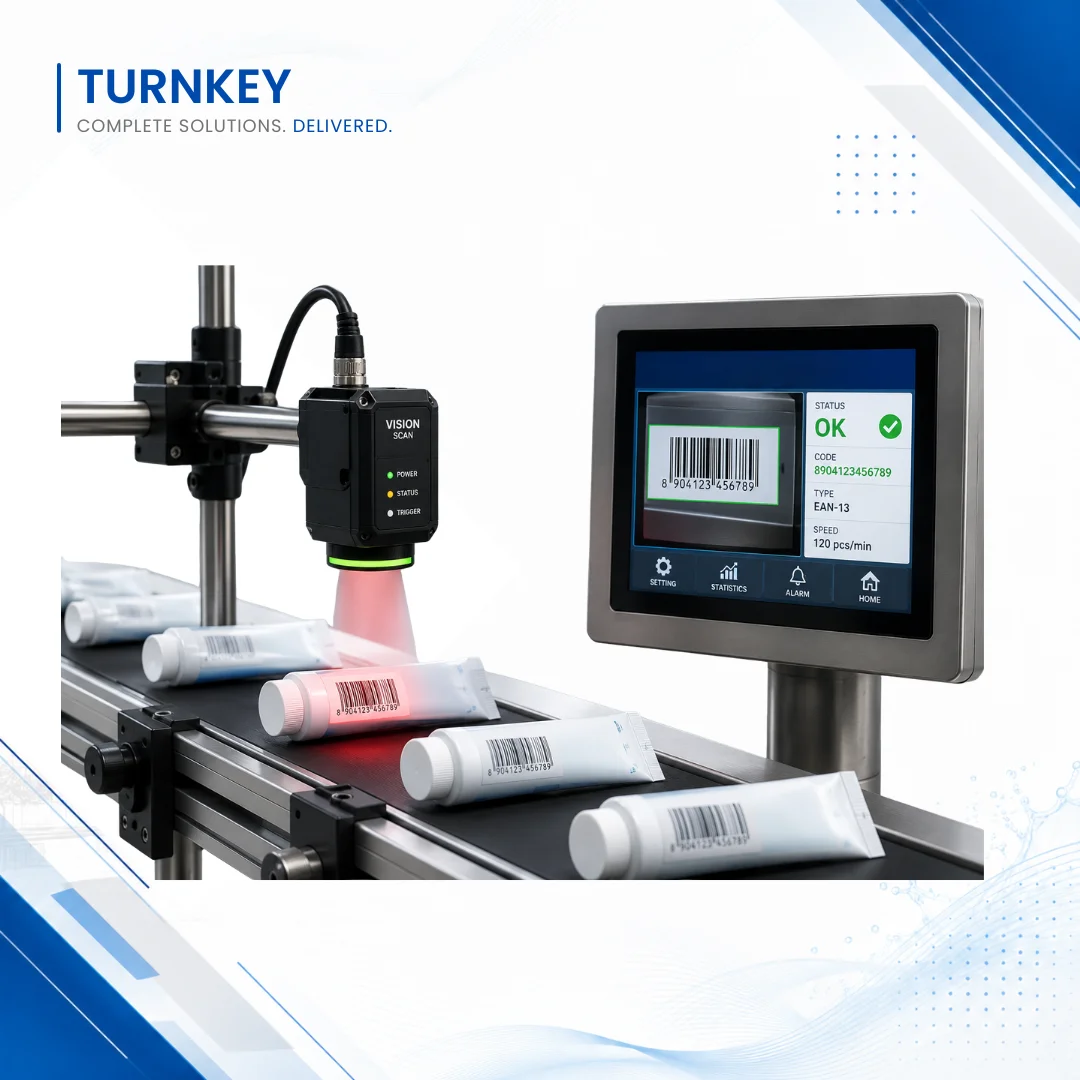
Integrated with industrial sensors and a PLC Automation System, it continuously monitors processing parameters to deliver reliable and repeatable results. The automated operation minimizes manual handling, improves hygiene, reduces production time, and increases overall efficiency. Its robust construction and user-friendly controls make it an ideal solution for food manufacturers looking to adopt Industrial Automation Solutions while maintaining product consistency and operational reliability.
Specification
- PLC-based automatic control system
- Automated ingredient mixing and grinding
- Accurate batch process control
- Stainless steel food-grade construction
- Real-time process monitoring
- HMI-based operator interface
- Continuous production capability
- Energy-efficient operation
- Low maintenance design
- Easy integration with production lines
Key Features
- Automated dosa batter preparation
- Consistent batch quality
- PLC-controlled operation
- Hygienic food-grade design
- Reduced manual labour
- High production efficiency
- User-friendly operation
- Reliable continuous performance
Application
The Dosa Batter Making System is widely used in commercial kitchens, food processing plants, central kitchens, ready-to-cook food manufacturers, catering facilities, and large-scale batter production units requiring efficient and hygienic automated food processing.
Design & Functionality
The system integrates automated mixers, grinders, industrial sensors, and PLC controllers to manage every stage of batter preparation. Real-time monitoring ensures consistent processing, while automated controls optimize production efficiency, reduce wastage, and maintain uniform product quality throughout the manufacturing process.
Operational Advantages
- Consistent batter quality
- Improved production efficiency
- Reduced manual intervention
- Hygienic food processing
- Lower operating costs
- Continuous automated production
- Easy maintenance
- Reliable industrial performance