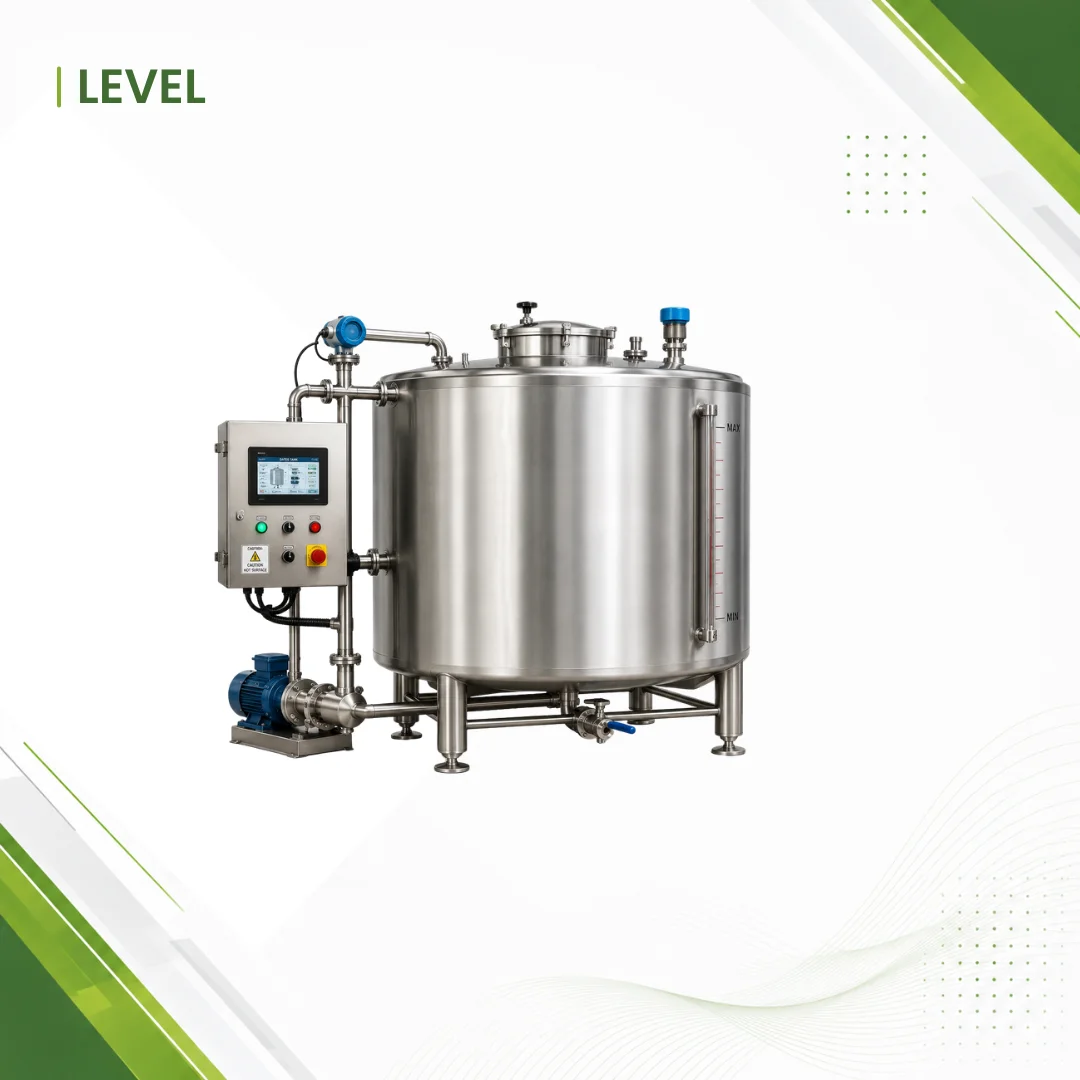
Never Climb a Tank Again
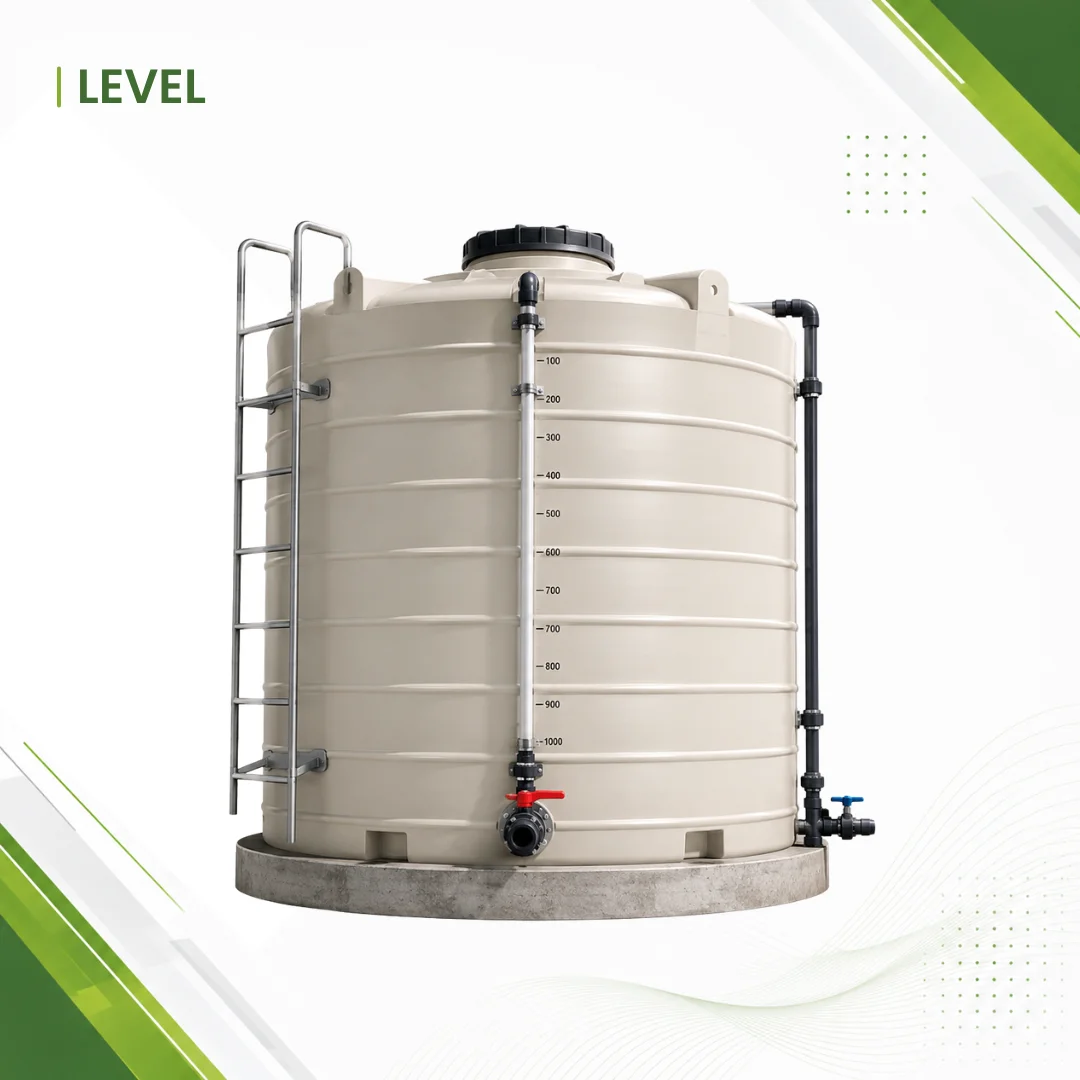
Checking tank levels manually is time-consuming, unsafe, and often inaccurate. Whether it's a water tank, chemical vessel, or grain silo, operators need instant and reliable level information without stopping production.
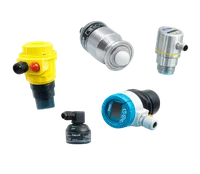
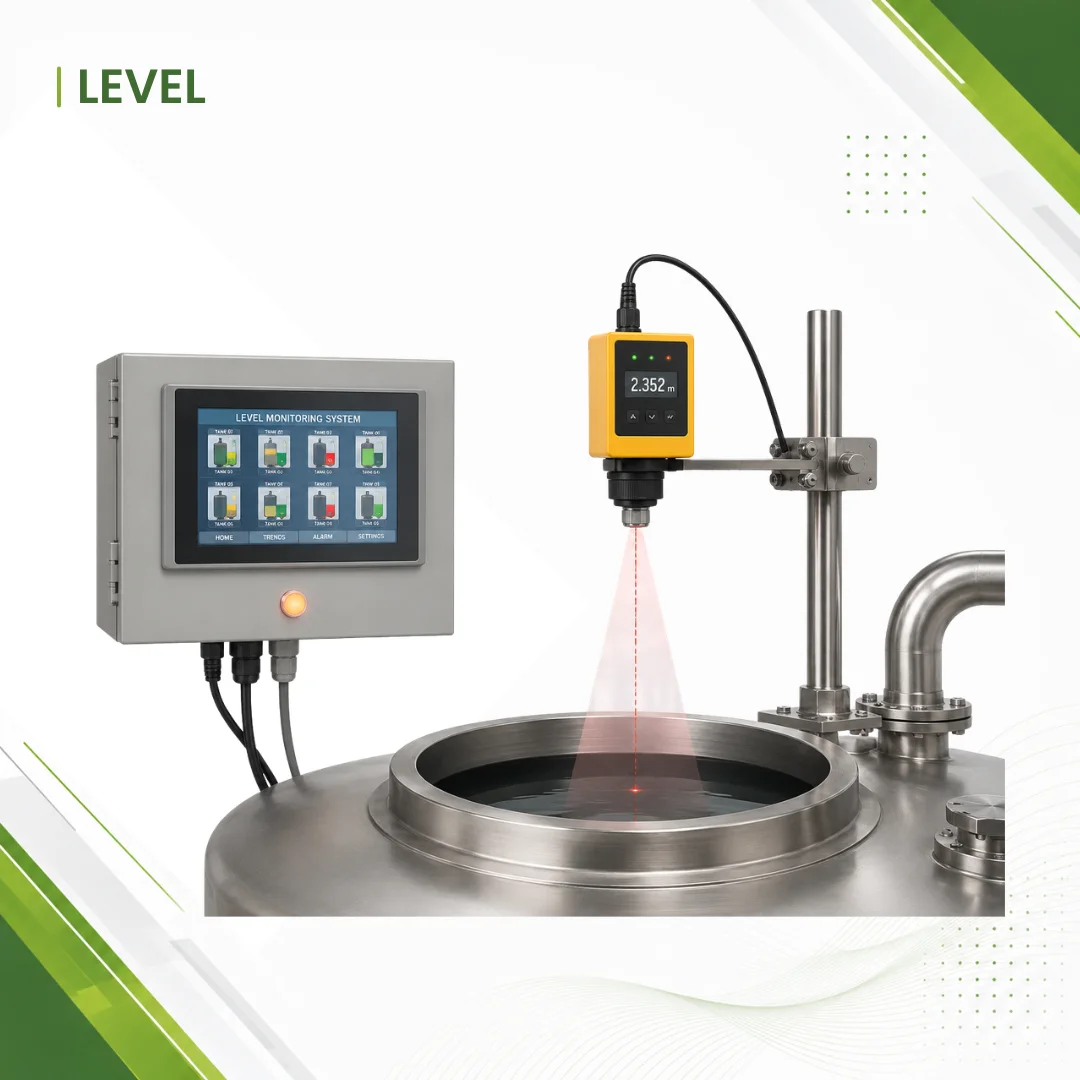
A Distance Sensor solves this problem by measuring the space between the sensor and the material surface. Since it never comes into contact with the liquid or solid, it continues to deliver accurate readings even in difficult industrial environments.
Why Industries Prefer Distance Sensors
Unlike float switches that move with the liquid, distance sensors work completely without contact. This means there are no moving parts to wear out, making the system ideal for dusty silos, corrosive chemicals, wastewater tanks, and high-temperature storage vessels.
Businesses choose this solution because it reduces maintenance while improving inventory visibility and process efficiency.
Where It Adds Value
✔ Water Storage Tanks
✔ Chemical Mixing Vessels
✔ Food & Beverage Processing
✔ Cement & Fly Ash Silos
✔ Grain Storage Facilities
✔ Wastewater Treatment Plants
✔ Oil Storage Tanks
✔ Bulk Material Handling
One Sensor – Multiple Benefits
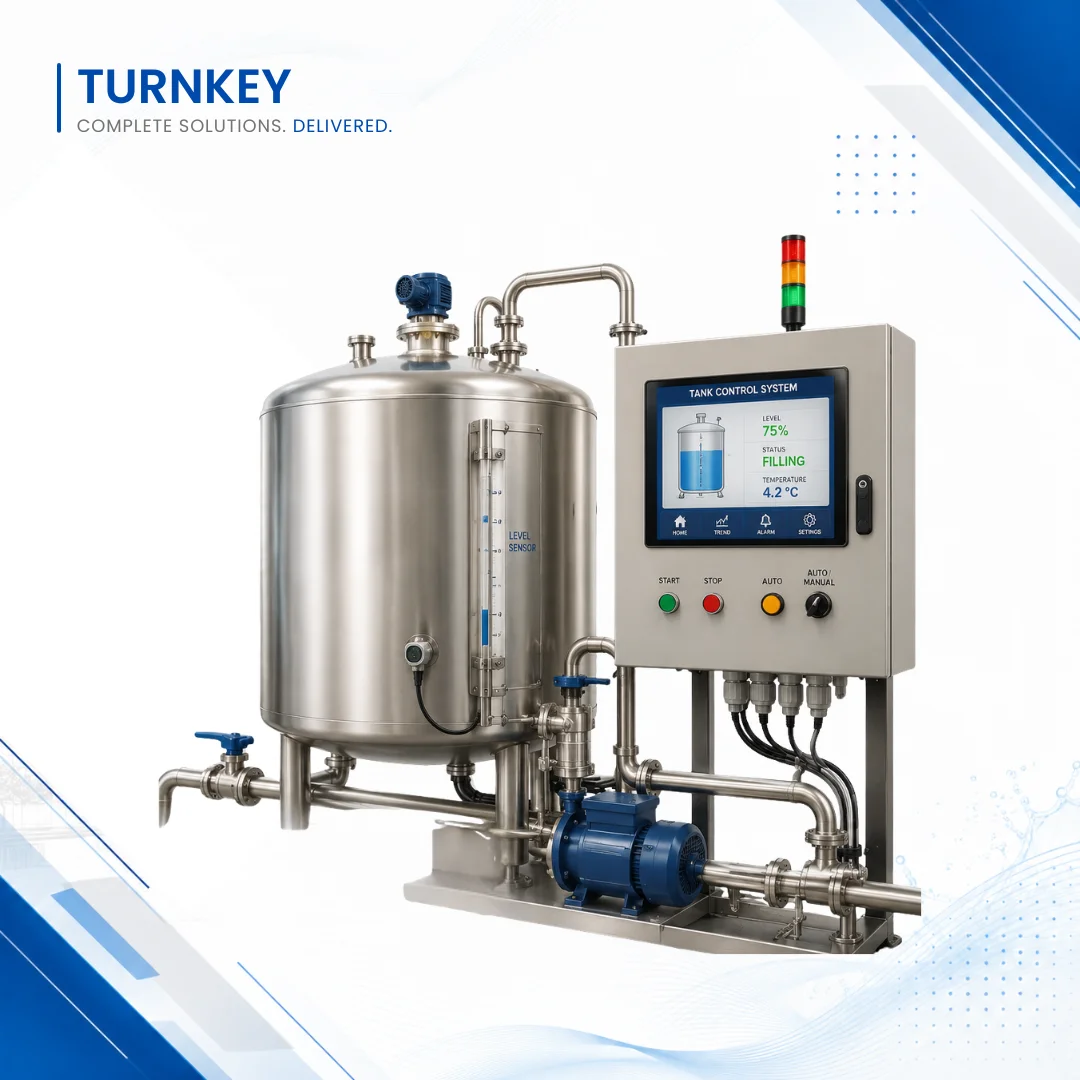
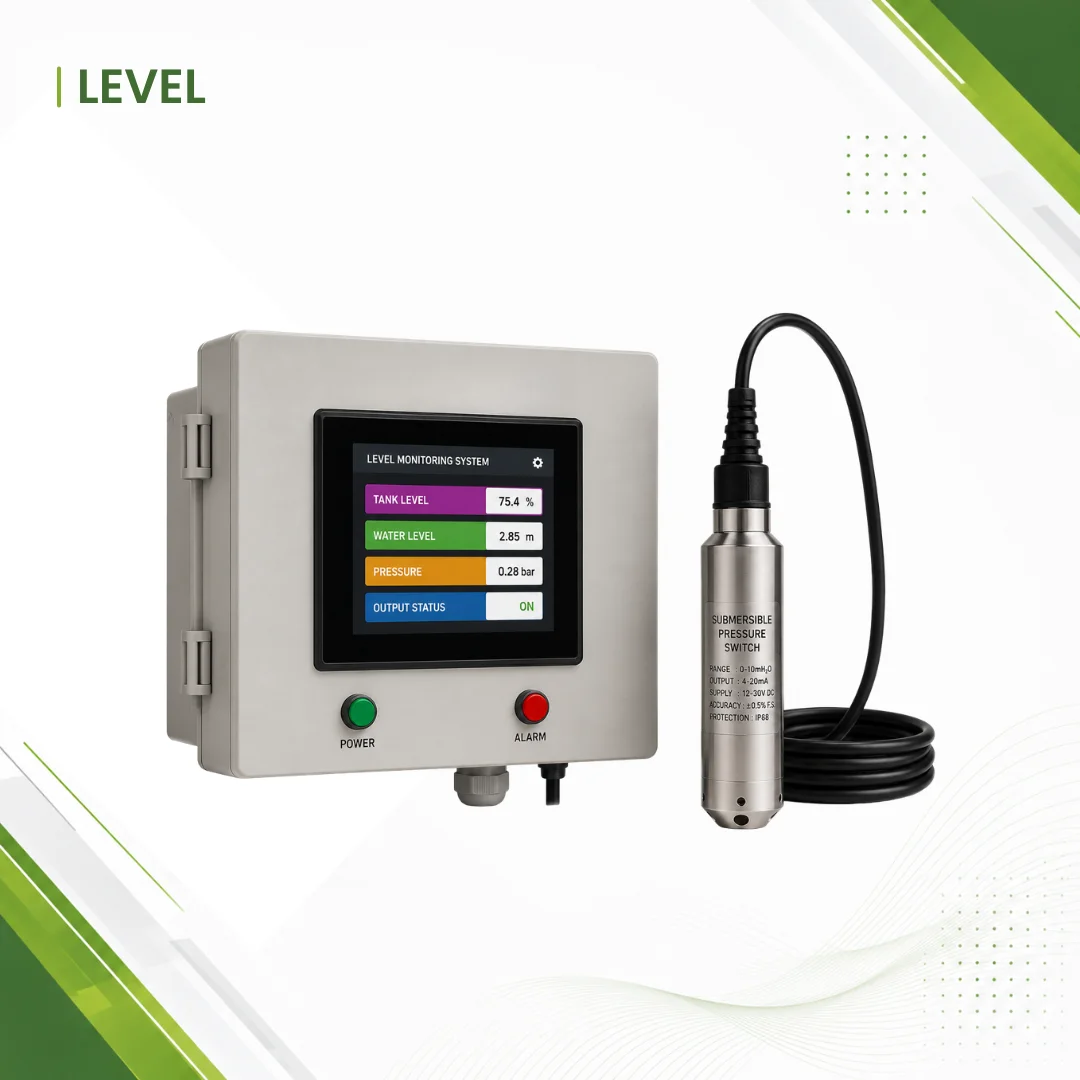
Instead of checking tanks manually, operators receive continuous level information directly on PLC, HMI, or SCADA systems.
Using Radar Level Sensor UAE technology with Tank Level Sensor Oman solutions supplied by Level Sensor Suppliers UAE, industries can automate inventory management, reduce overflow risks, and improve operational efficiency.
What Makes This Solution Different?
- Non-contact measurement technology
- Performs in dusty and humid environments
- No mechanical wear or float movement
- Ideal for deep and tall tanks
- Real-time monitoring from the control room
- Minimal maintenance throughout its service life
- Easy integration with existing automation systems
Is This Right for Your Plant?
If your process requires accurate level monitoring without frequent maintenance, a Distance Sensor is one of the most reliable solutions available. It improves process visibility, supports predictive maintenance, and helps eliminate unexpected downtime caused by incorrect level measurements.